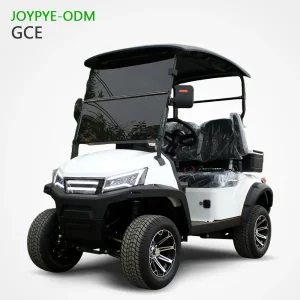
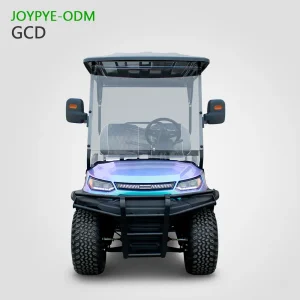
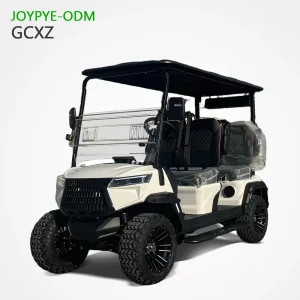
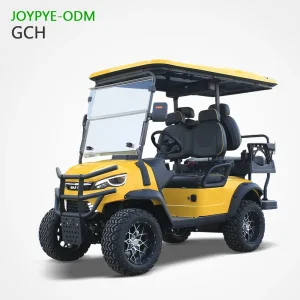
The global electric golf cart market is undergoing a structural shift. Once confined to fairways, the 2-seater configuration has become a staple in "Last Mile" logistics and urban micro-mobility. As cities worldwide pivot toward carbon neutrality, the demand for compact, efficient, and zero-emission transit solutions is skyrocketing.
North American and European markets are increasingly seeking "Street Legal" (LSV) certifications for 2-seater carts. Enterprises in hospitality, industrial warehousing, and gated communities are replacing traditional combustion utility vehicles with lithium-powered alternatives to reduce TCO (Total Cost of Ownership) by up to 40%.
With the integration of AI-assisted driving and IoT monitoring, the modern 2-seater golf cart is no longer a simple buggy. It is a data-connected asset that complies with CE, ISO, and API standards, ensuring operator safety in rigorous industrial environments.
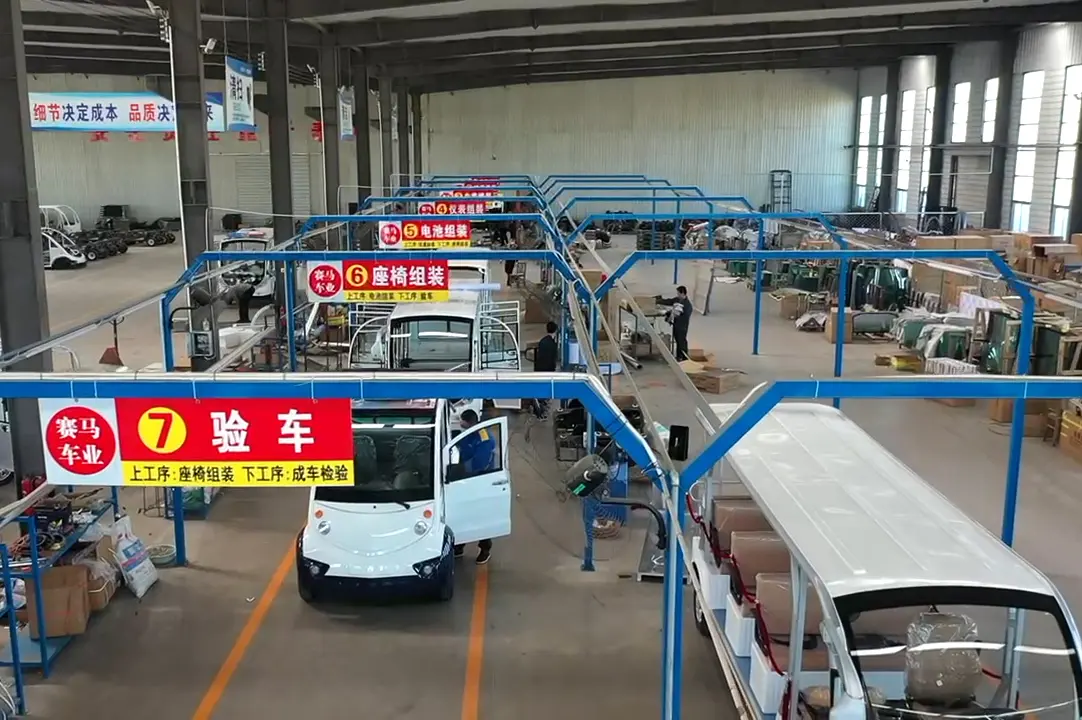
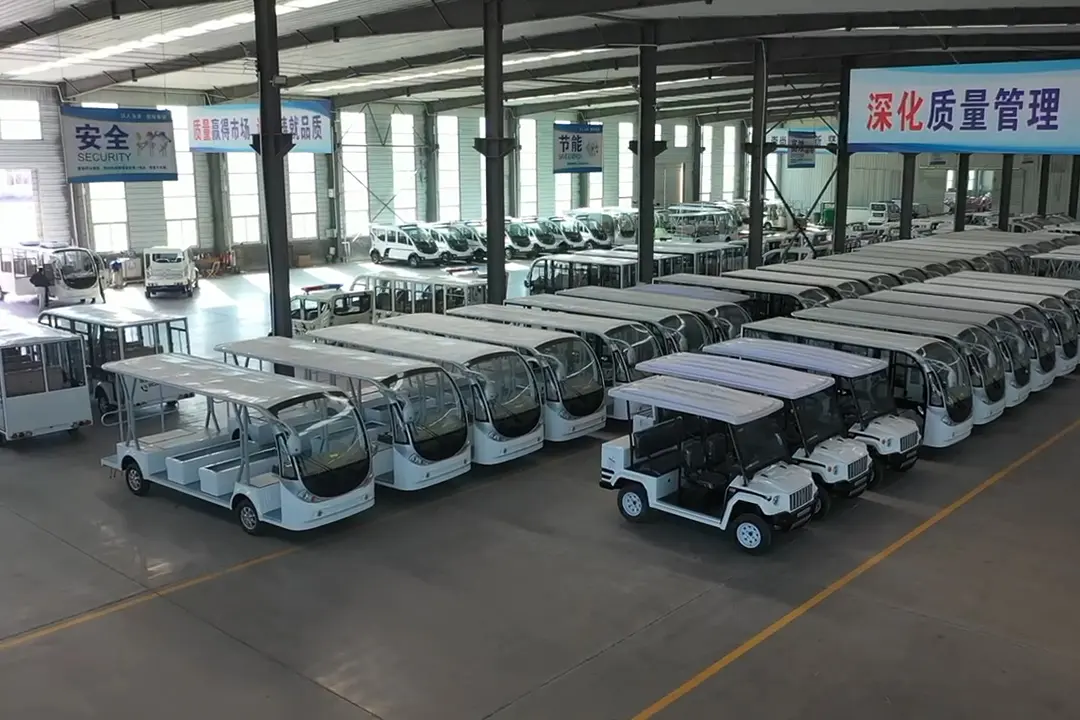
Wucheng Saima Vehicle Industry Co., Ltd., established in 2015, represents the pinnacle of northern China's electric vehicle manufacturing. Spanning over 394,482 square feet, our facility is a hub for high-tech R&D and precision engineering.
Body color painting according to brand identity (Pantone matching), premium upholstery options, and bespoke wheel configurations to align with luxury resort aesthetics.
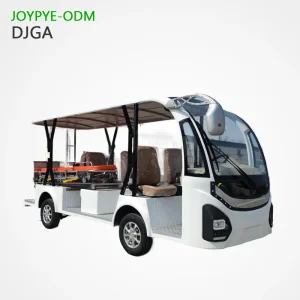
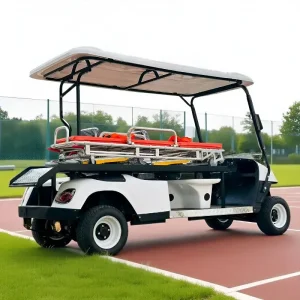
Our deep processing service converts standard sightseeing vehicles into camping units, mobile dining kiosks, or specialized medical casualty transfer vehicles.
Upgrade to high-performance AC motors (3kW to 7.5kW) and Lithium Iron Phosphate (LiFePO4) battery arrays for extended range and maintenance-free operation.
We leverage a Tier-1 supply chain, integrating components from listed companies to ensure global reliability and parts availability.

Renowned for high energy density and safety stability, making them the preferred choice for high-duty cycles.

Advanced algorithmic control for smooth acceleration, regenerative braking, and superior hill-climb performance.

High-efficiency brushless motors designed for longevity and minimal thermal degradation in tropical climates.
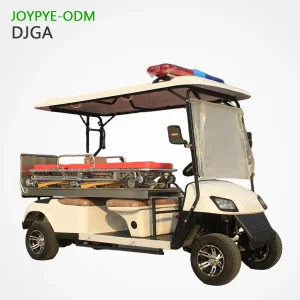
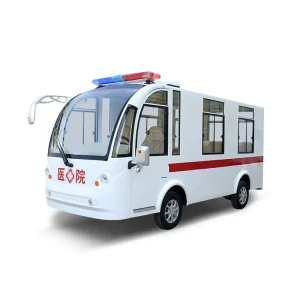
2-seater ambulance conversions for stadiums, malls, and large factories where rapid patient transport is critical in narrow corridors.
Enhanced with light bars and PA systems for enterprise safety operations, perimeter security, and campus law enforcement.
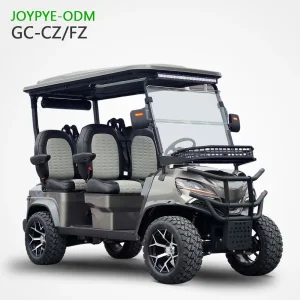
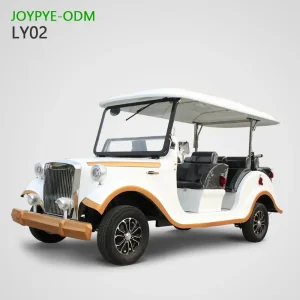
Vintage and modern styles for VIP guest transport in resorts, botanical gardens, and historical sites.
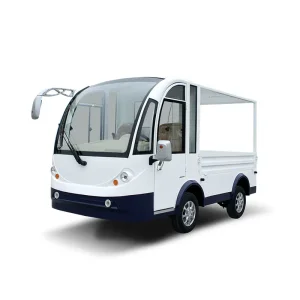
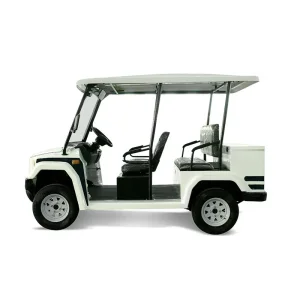
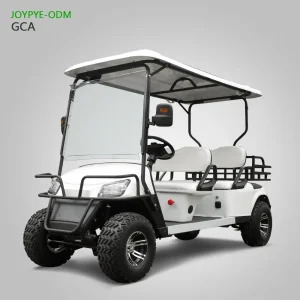
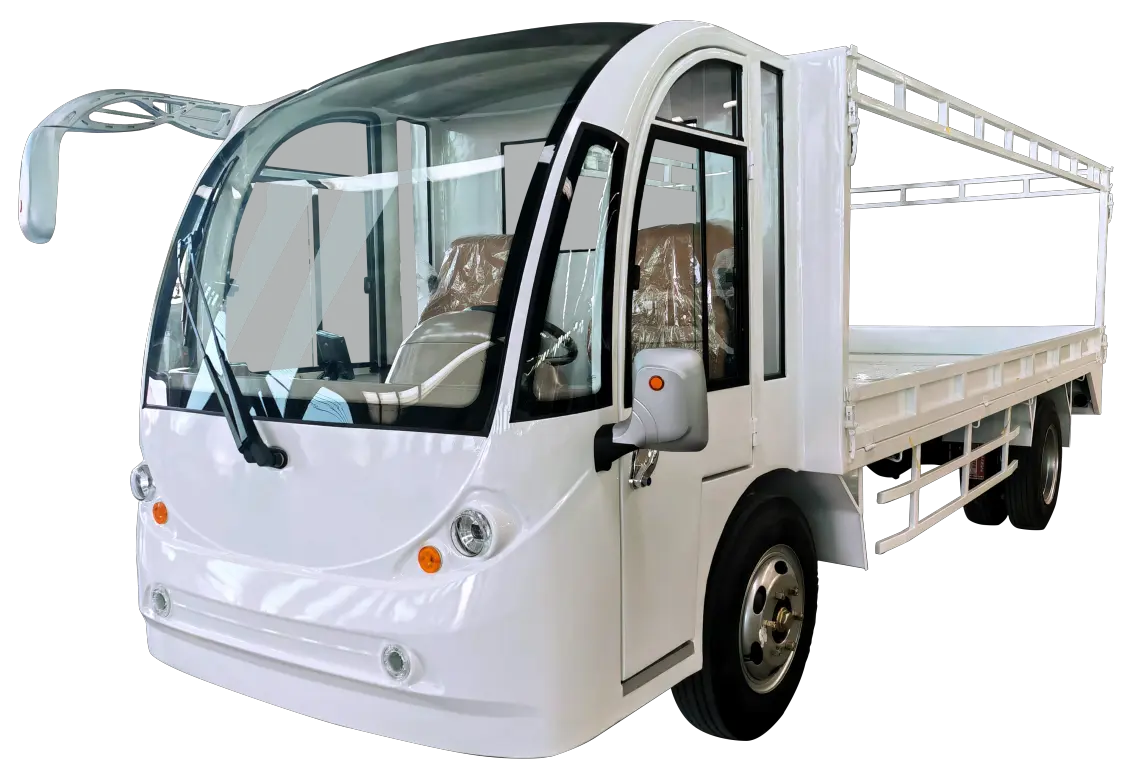
Pickup truck configurations with cargo hoppers for moving tools and materials across large-scale manufacturing plants.
As we look toward 2030, the 2-seater golf cart is evolving into a sophisticated autonomous platform. Integration with smart city infrastructure allows these vehicles to navigate pedestrian zones safely using LiDAR and ultrasonic sensors. For corporate campuses, this means a shift from driver-operated shuttles to autonomous on-demand transport, drastically reducing operational overhead.
The manufacturing hub in Northern China, led by enterprises like Wucheng Saima, is at the forefront of this revolution. By leveraging the local "Electric Vehicle Cluster" advantage, we source high-grade steel for chassis and UV-resistant plastics for body panels at a fraction of the cost found in Western markets. This cost efficiency is passed directly to the global procurement officer, allowing for larger fleet deployments within the same capital budget.
Sustainability is also driving the adoption of solar-integrated roofs. By adding flexible solar panels to the roof of a 2-seater cart, users can gain an additional 5-10 miles of range per day just from ambient sunlight—a perfect solution for outdoor applications in the Middle East, Australia, and Southern Europe.
Our R&D team is currently focusing on "Internet of Vehicles" (IoV) modules. This allows fleet managers to track real-time location, battery health, and maintenance needs via a smartphone app. For large factories or resorts, this level of oversight ensures that no vehicle is ever out of service unexpectedly, maintaining the highest level of guest and operational satisfaction.
 Zhigao