Electric golf carts have gained popularity as a practical and eco-friendly option for both enthusiasts and casual players. As the golf industry expands in China, the demand for these vehicles grows. Global buyers are intrigued by the diverse offerings from Chinese manufacturers. Various models showcase advanced features, appealing designs, and competitive pricing.
Understanding the electric golf carts available in China is crucial. Buyers must navigate a complex market with many options. Reliability and performance are priorities for consumers seeking the best value. Therefore, reviews and recommendations can guide buyers in making informed decisions. Some models excel in battery efficiency while others stand out with innovative technology.
However, not all electric golf carts meet expectations. Some buyers have encountered issues with servicing and parts availability. It's essential to consider these factors when selecting a model. Researching user experiences and manufacturer support can help avoid potential pitfalls. The journey to find the ideal electric golf cart is not always straightforward but is rewarding for discerning buyers.
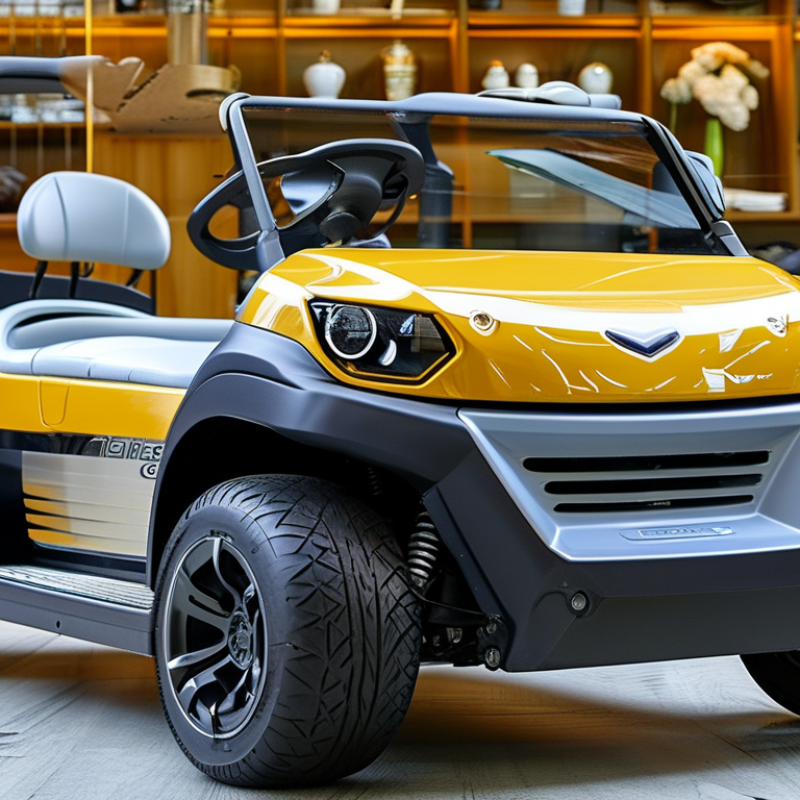
When exploring the market for electric golf carts in China, buyers can encounter a diverse range of options. The country's manufacturers have significantly advanced in technology and design. They focus on energy efficiency and user comfort. Many carts feature ergonomic designs, spacious seating, and enhanced battery life. These aspects cater to both recreational and practical needs.
A deep dive into the landscape reveals various brands, each with unique capabilities. Some emphasize high speed and durability. Others prioritize eco-friendly materials and production methods. This diversity makes it essential for buyers to research thoroughly. Quality control varies significantly among manufacturers. Not every brand adheres to the same standards, which raises questions about reliability.
In this evolving industry, it is crucial to assess the long-term value of these carts. Durability and maintenance issues can pose challenges. Some models may need frequent servicing, which could lead to additional costs. Understanding these potential drawbacks can guide purchase decisions effectively. Buyers should weigh their options, focusing on specific needs and budget constraints.
| Model | Max Speed (km/h) | Range (km) | Seating Capacity | Battery Type | Price (USD) |
|---|---|---|---|---|---|
| Model A | 25 | 40 | 2 | Lead Acid | 6,500 |
| Model B | 30 | 50 | 4 | Lithium Ion | 8,000 |
| Model C | 20 | 35 | 2 | Lead Acid | 5,000 |
| Model D | 28 | 60 | 4 | Lithium Ion | 10,000 |
| Model E | 23 | 45 | 2 | Lead Acid | 6,200 |
The electric golf cart market is experiencing significant growth globally, particularly in China. According to a report by Grand View Research, the market is expected to grow at a compound annual growth rate (CAGR) of around 7% from 2021 to 2028. This increase is largely driven by expanding golf courses and rising demand for eco-friendly transportation options. More golf enthusiasts are seeking quieter and more sustainable alternatives to traditional gasoline-powered carts.
Research from Market Research Future highlights a shift in consumer preferences towards electric carts. Features like enhanced battery life and improved performance capabilities are essential. The growing trend of recreational usage in urban areas adds to the market potential. However, challenges such as battery disposal and charging infrastructure remain an area of concern.
As the demand escalates, manufacturers are refining their designs to include smart technology. Integration of GPS and advanced safety features is becoming common. Despite this progress, quality control remains inconsistent across products. It is crucial for buyers to remain vigilant and seek reliable options. Improved standards could eventually alleviate these issues, enabling a smoother transition into wider market acceptance.
Electric golf carts are gaining popularity among global buyers. Their performance and efficiency metrics are crucial for evaluating their value. Many models boast impressive specifications. However, understanding what these metrics mean is key.
Performance metrics often include top speed and acceleration. Most electric golf carts achieve speeds between 15 to 25 mph. Acceleration rates can vary, with some models reaching top speed in just a few seconds. Efficiency, on the other hand, is typically measured in terms of range per charge. Many carts can travel over 30 miles on a single charge, but this can fluctuate based on terrain and weight.
Battery life plays a significant role in both performance and efficiency. Lithium-ion batteries are becoming more common, providing better longevity and faster charging. However, not all models offer the same battery warranty or lifespan. Buyers should research the average lifespan of the batteries used in their preferred models. Understanding these aspects can help buyers make informed decisions, ensuring they get a reliable electric golf cart that suits their needs.
Electric golf carts in China are becoming increasingly popular among global buyers. Major brands are employing varying pricing strategies to attract different segments of the market. According to a recent report by Research and Markets, the electric golf cart industry in China is expected to grow at a compound annual growth rate (CAGR) of 10% through the next five years. This growth highlights the competitive landscape among Chinese manufacturers.
Brands often adopt cost-plus pricing strategies to enhance affordability. This method allows them to maintain a balance between production costs and consumer demand. Data from Statista reveals that about 65% of consumers prioritize price when selecting electric golf carts. In contrast, some premium manufacturers focus on value-based pricing. They emphasize advanced features and superior quality, appealing to affluent buyers who seek high-end technology, like advanced battery systems for enhanced range.
While pricing strategies vary, the need for market understanding remains essential. Some manufacturers may underestimate the importance of consumer preferences. As a result, they risk losing market share. The rising number of buyers desiring eco-friendly transportation adds pressure. Companies must continuously adapt their strategies to survive in this dynamic environment while addressing the unique demands of the global market.
The electric golf cart industry is evolving rapidly, focusing not only on convenience but also on sustainability. Electric carts significantly reduce carbon emissions compared to traditional gas-powered models. According to a report by the International Council on Clean Transportation, switching to electric carts can cut greenhouse gas emissions by up to 70%. This statistic underscores the positive environmental impact of adopting electric vehicles in recreational settings.
Regulations are also shaping this industry. Many countries are introducing policies aimed at reducing emissions and promoting electric vehicles. Local regulations may require sustainable manufacturing practices for electric carts. It is essential for manufacturers to adapt to these changes, ensuring compliance while maintaining performance. However, some smaller producers may struggle with such adaptations due to financial constraints, raising questions about the industry's overall sustainability.
Tip: Buyers should research and consider the lifecycle impacts of electric golf carts. Evaluate factors like battery disposal and manufacturing practices.
Upgrading to electric models can be beneficial. Yet, buyers should not overlook the potential drawbacks. Battery life and performance may vary widely, affecting usability. As the market expands, understanding these nuances becomes ever more crucial. Identifying reliable sources and reports can aid in making informed decisions.
: Look for energy efficiency, user comfort, and ergonomic designs. Battery life is also crucial.
Most models reach speeds between 15 to 25 mph. Some can accelerate quickly.
Many carts can travel over 30 miles per charge. This can vary based on terrain.
Yes, some manufacturers focus on eco-friendly materials and production methods. They might cost more.
Durability and maintenance can be concerns. Some models need frequent servicing. Consider this cost.
Better battery life enhances performance and efficiency. Lithium-ion batteries are preferred for longevity.
Smart technology like GPS and advanced safety features is increasingly available. Quality can vary greatly.
Quality control varies among manufacturers. Not all brands meet the same performance standards.
Yes, battery disposal and charging infrastructure remain concerns. These issues may affect the user experience.
Assess the warranty and service options available. Reflect on your purchase decision and research better alternatives.
Electric golf carts have become increasingly popular among global buyers, thanks to their significant market growth and evolving technology. The article provides a comprehensive overview of the top brands in China, highlighting emerging trends, growth rates, and future projections. Key features such as performance and efficiency metrics are emphasized, showcasing how advancements are enhancing user experience.
Furthermore, the pricing strategies among major Chinese electric golf cart manufacturers are compared, revealing insights into the competitive landscape. The article also addresses the sustainability of electric golf carts, discussing their environmental impact and the regulatory framework governing their production and usage. Overall, the growing emphasis on efficient and eco-friendly transportation solutions positions electric golf carts as a notable choice for consumers worldwide.

Zhigao