Electric carts are rapidly becoming a popular choice for efficient transportation solutions. They are versatile and suitable for various environments, including warehouses, golf courses, and urban settings. These carts offer an eco-friendly alternative to traditional gasoline-powered vehicles. They can help reduce carbon emissions and lower operational costs.
Many people overlook the advantages of electric carts. Some may find them less powerful than their fuel counterparts. However, technology has significantly advanced, improving performance and battery life. In fact, numerous electric carts now offer impressive range and load capacity. Buyers must consider their specific needs when choosing a model.
The market offers various options, which can make decision-making difficult. Each model has unique features and specifications. It’s essential to examine factors like speed, weight capacity, and charging time before purchasing. While this guide aims to simplify your search, securing the best electric cart requires careful consideration. Understanding your requirements will lead to a more informed decision and satisfaction with your investment.
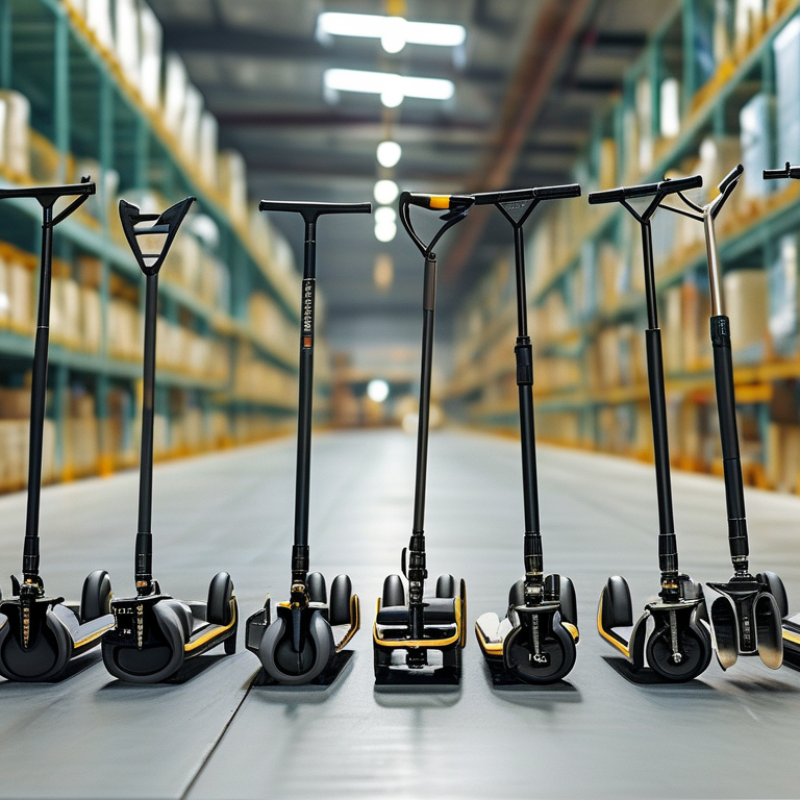
When selecting electric carts, several key features significantly impact your transportation efficiency. Battery capacity is crucial, as it determines how far you can travel. Data from industry studies indicate that carts with a minimum range of 30 miles are ideal for most applications. Additionally, charging time plays a critical role. Opt for models that can fully charge in under eight hours for minimal downtime.
Load capacity is another vital consideration. An electric cart with an adequate load capacity should support the expected weight without compromising performance. According to market analysis, carts designed to carry at least 1,500 pounds typically meet the needs of various industries. Ensure the model features a sturdy design to enhance reliability and safety during operation.
Tips: Always check user reviews. Real-world experiences can provide insight into performance nuances that specs might not reveal. Evaluate the warranty offered, as a longer warranty can indicate manufacturer confidence in their product. Also, reflect on the intended use to ensure your choice aligns with operational requirements. Recognize that while features are important, user comfort can significantly affect productivity over time.
Electric carts are becoming essential for various transportation needs. They are not just limited to personal use. Industries benefit from their efficiency and eco-friendliness.
There are several types of electric carts available today. For instance, utility carts are perfect for warehouses and factories. They often support heavier loads and offer sturdy frames. According to a report from the Electric Drive Transportation Association, electric vehicles in commercial settings can significantly reduce operational costs by 20-30%. This data highlights the importance of choosing the right type of cart for specific tasks.
Golf carts serve recreational needs and are popular in resorts. They provide a green transportation option, minimizing carbon footprints. However, not all electric carts are designed equally. Some may lack the necessary safety features or battery life for extended use. This can lead to operational issues. Evaluating the specifications will help in choosing the most suitable option.
| Type | Capacity (lbs) | Battery Life (hours) | Max Speed (mph) | Applications |
|---|---|---|---|---|
| Utility Cart | 1000 | 8 | 15 | Warehouse, Landscaping |
| Golf Cart | 600 | 6 | 20 | Golf Courses, Resorts |
| Electric Chariot | 400 | 5 | 10 | Tourism, Exhibitions |
| Cargo Cart | 1500 | 10 | 12 | Warehouses, Manufacturing |
| Personal Transporter | 300 | 7 | 18 | Parks, Large Campuses |
| Tourist Shuttle | 800 | 9 | 15 | Tourist Attractions, Parks |
| Street Legal Low-Speed Vehicle | 1000 | 10 | 25 | Neighborhoods, Golf Courses |
| Delivery Cart | 500 | 6 | 12 | Food Services, Retail |
| Maintenance Cart | 400 | 8 | 15 | Maintenance, Cleaning |
| Healthcare Transporter | 500 | 7 | 10 | Hospitals, Senior Living |
When considering electric carts, performance varies significantly across models. Each cart serves different needs, from personal transport to commercial use. Understanding these differences is crucial for making informed decisions.
Battery life is often a key factor. Some models offer longer ranges but may take longer to charge. Others have quick charge times but shorter runs. These trade-offs can impact daily operations, especially in commercial settings. The weight capacity varies, too. Some carts can handle heavy loads, while others are designed for lighter, personal transport.
Additionally, maneuverability is essential. Some carts feature tighter turning radii, making them suitable for crowded spaces. However, others may provide a smoother ride at higher speeds but could be less agile. Assessing these aspects deeply can lead to a better alignment with user needs and expectations. There are flaws in every model, and understanding them is as important as knowing the strengths.
Electric carts provide a sustainable transportation solution for various environments. They are ideal for urban settings, campuses, and large facilities. The benefits of using electric carts include reducing carbon emissions and lowering noise pollution. This makes cities and parks more enjoyable for everyone. Moreover, electric carts can navigate tight spaces efficiently, offering flexibility that traditional vehicles cannot match.
Consider the operational costs. Electric carts are cheaper to maintain than fuel-powered vehicles. They often require less frequent servicing and have fewer moving parts. Charging an electric cart also costs less than filling up a gas tank. However, keep in mind the availability of charging stations in your area. This can impact your overall experience.
When deciding on an electric cart, consider battery life and range. Not all carts are created equal. Some may not provide enough power for your needs. Test different options to see what suits you best. Electric carts can be a great asset for anyone seeking an eco-friendly way to transport people or goods. Their efficiency and sustainability can truly impact our environment positively.
Electric carts are becoming essential for efficient transportation across various sectors. Proper maintenance is crucial for extending their lifespan. Regular checks can prevent costly repairs and ensure smooth operation.
One effective tip is to inspect the battery regularly. Clean terminals and connections remove corrosion and enhance performance. Pay attention to water levels in the batteries as well. Low water levels can significantly shorten battery life.
Another important maintenance aspect is tire care. Keep tires inflated to the recommended pressure. This improves handling and increases energy efficiency. Regularly check for wear and replace them if needed. Noticing these small details can save you from larger issues down the road.
This bar chart represents the efficiency ratings of the top 10 electric carts based on various performance metrics. Analyzing these ratings can help users choose the most suitable electric cart for their needs, enhancing transportation solutions effectively.
: Electric carts serve as sustainable transportation options in urban areas, campuses, and large facilities.
They reduce carbon emissions and lower noise pollution, making public spaces more enjoyable.
Electric carts have lower maintenance costs and charging expenses compared to fuel-powered vehicles.
Battery life and range are important factors; some carts may not meet your power needs.
Regular battery checks and keeping connections clean are vital for performance and longevity.
Proper tire inflation enhances handling and energy efficiency, preventing larger issues later.
The availability of charging stations can affect how convenient it is to use an electric cart.
No, performance varies; testing different models can help find the right fit for your needs.
Low water levels and corrosion can significantly shorten battery lifespan, so keep them checked.
Small details like battery terminals and tire pressure are easy to forget but crucial for performance.
Electric carts are becoming increasingly popular for efficient transportation solutions across various settings, such as campuses, warehouses, and parks. When choosing the right electric cart, it's essential to consider top features like battery life, weight capacity, and maneuverability. Different types of electric carts cater to specific transportation needs, ranging from utility carts to passenger shuttles.
A comparative analysis of the top 10 electric cart models reveals significant variations in performance and suitability for different environments. The benefits of using electric carts extend beyond convenience; they contribute to sustainable transport by reducing carbon footprints. To maximize their lifespan, proper maintenance is crucial, including regular inspections and battery care. Overall, electric carts represent a viable and eco-friendly option for modern transportation challenges.
Zhigao