In the rapidly evolving world of urban transportation, the demand for efficient and eco-friendly solutions is on the rise. Electric Shuttles are becoming a key player in this transformation. According to industry expert Dr. Emily Wu, "Electric Shuttles can redefine public transport by making it cleaner and more accessible." This highlights their potential to address both environmental and social challenges.
Electric Shuttles offer numerous advantages. They are quiet, emit zero emissions, and reduce traffic congestion. Cities around the globe are exploring these vehicles to enhance mobility and sustainability. However, challenges also exist. Infrastructure needs improvement, and initial costs may deter some buyers.
Moreover, not every Electric Shuttle solution fits all cities. Local needs and environments vary widely. Buyers must carefully assess options before making decisions. The balance between innovation and practicality is crucial for long-term success in the Electric Shuttle market.
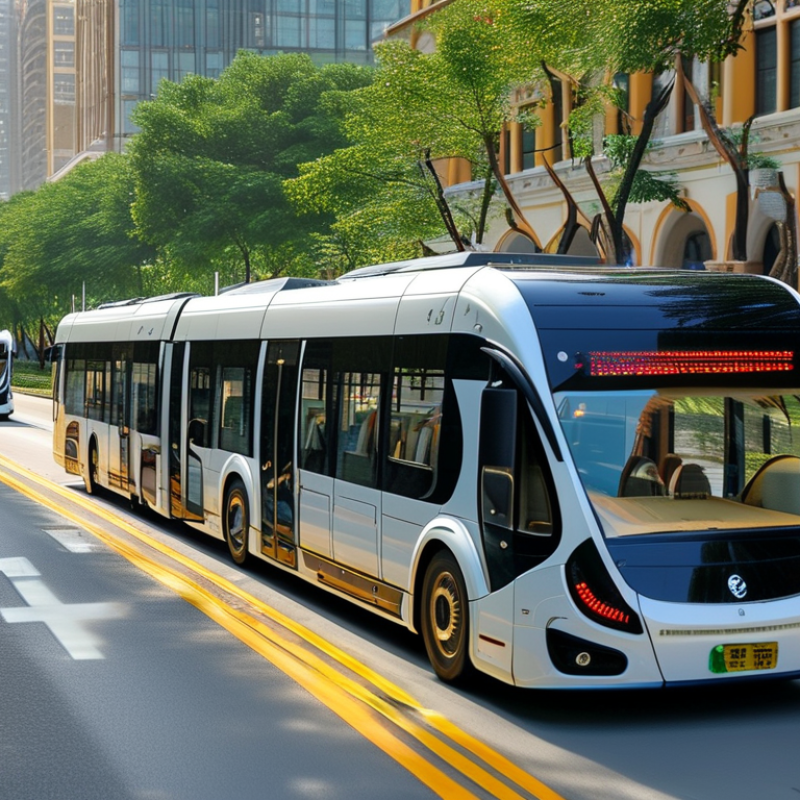
Key Factors to Consider When Choosing Electric Shuttle Solutions
When selecting electric shuttle solutions, several key factors come into play. First, you must evaluate range and charging efficiency. According to recent industry reports, the average electric shuttle offers a range of 100 to 300 miles on a single charge. For urban environments, a shorter range may be sufficient, while rural or long-distance travel demands more. Fast-charging capabilities can significantly reduce downtime, allowing for a quicker turnaround in high-demand scenarios.
Another crucial aspect is passenger capacity and comfort. Many electric shuttles cater to different group sizes. For instance, models designed for 10 to 20 passengers typically have better seating arrangements and enhanced accessibility. Comfort is paramount, as studies show that passenger experience directly influences repeat usage. Additionally, fleet management software integration is essential for operational efficiency. This technology can optimize routes, monitor battery status, and manage maintenance schedules effectively.
While addressing costs, it's important to analyze total cost of ownership (TCO). Initial purchase prices may be higher than traditional shuttles, but operating costs tend to decrease. Electric shuttles can reduce fuel expenses by up to 70% and maintenance costs by 30%, according to some analyses. However, reliance on local grid infrastructure and charging infrastructure can present challenges. Evaluating regional support for electric vehicles is vital to ensure viability and sustainability in the long run.
Leading Electric Shuttle Manufacturers in the Global Market
The global electric shuttle market is on the rise, driven by a growing need for sustainable transportation solutions. According to a recent report by Allied Market Research, the electric shuttle market is projected to reach $12.6 billion by 2027, growing at a CAGR of 14.4% from 2020. This surge indicates an increasing focus on eco-friendly transit options across urban environments.
Leading manufacturers are innovating with electric shuttle designs that prioritize efficiency and utility. Companies are now developing vehicles capable of carrying 10 to 40 passengers. Advanced battery technologies are enhancing driving ranges, with some models exceeding 200 miles on a single charge. However, challenges remain, such as high production costs and infrastructure readiness. As cities strive to meet emissions targets, manufacturers must also address these hurdles to maintain momentum.
Furthermore, the growth in intelligent transportation systems is shaping the future of electric shuttles. Integrating features such as real-time tracking and contactless payment options enhances user experience. Nonetheless, implementing these technologies can be complex and costly. As the market evolves, collaboration between manufacturers, urban planners, and local governments will be crucial to create sustainable solutions.
Innovative Technologies Enhancing Electric Shuttle Performance
The electric shuttle industry is rapidly evolving, with innovative technologies enhancing performance and sustainability. Research indicates that by 2025, global electric shuttle sales are projected to reach 25,000 units annually. Such growth is driven by advancements in battery technology. Today's lithium-ion batteries offer greater energy density and faster charging, reducing downtime.
Regenerative braking systems are gaining traction. This technology recovers energy during deceleration. Reports suggest that these systems can improve energy efficiency by up to 20%. Additionally, smart fleet management software is becoming essential. It optimizes routes, minimizing energy consumption. This improvement not only cuts costs but also enhances service reliability.
Despite these advancements, challenges remain. Charging infrastructure still lags in many regions. Many operators struggle with the initial investment costs. There is a need for better integration with public transport systems. Stakeholders must collaborate to address these hurdles. Continuous innovation will be essential to maximize the benefits of electric shuttles worldwide.
Comparative Analysis of Electric Shuttle Models for Diverse Needs
In the rapidly evolving transportation sector, electric shuttles have gained considerable traction. A recent industry report indicates that the global electric shuttle market is projected to reach $12 billion by 2025, growing at an annual rate of over 15%. This surge is driven by increasing urbanization and the demand for eco-friendly solutions.
Many electric shuttle models vary significantly in terms of size, capacity, and range. For instance, while some smaller models cater to short-distance travel, larger vehicles are designed for longer routes. Reports show that range anxiety remains a concern, as some models provide a maximum range of only 100 miles on a single charge. These limitations can frustrate operators and hinder broader adoption in city transport systems.
Battery technology is another critical aspect to examine. Current models use lithium-ion batteries, which generally take 6-8 hours to charge fully. However, faster-charging options are emerging. Balancing charging time with operational efficiency is essential. As adoption increases, it’s vital to address these challenges while exploring innovative solutions and enhancing infrastructure.
Top Electric Shuttle Solutions for Global Buyers
| Model |
Seating Capacity |
Range (Miles) |
Charging Time (Hours) |
Top Speed (mph) |
Price ($) |
| Model A |
8 |
100 |
4 |
25 |
40,000 |
| Model B |
12 |
120 |
5 |
30 |
55,000 |
| Model C |
15 |
150 |
6 |
28 |
65,000 |
| Model D |
9 |
90 |
3 |
22 |
38,000 |
Sustainability and Environmental Impact of Electric Shuttle Solutions
Electric shuttle solutions are gaining attention for their potential to reduce carbon footprints.
These vehicles operate on electric power, minimizing greenhouse gas emissions.
Cities are increasingly adopting these systems to improve air quality and reduce noise pollution.
As more urban areas embrace electric shuttles, there are challenges to consider.
Infrastructure is a significant barrier. Cities must invest in charging stations and maintenance facilities.
The initial costs can be high, yet the long-term savings on fuel and maintenance are notable.
Additionally, the environmental impact of battery production raises questions.
To be truly sustainable, we must explore recycling options and energy sources used in manufacturing.
Stakeholders should collaborate to address these issues.
Educating the public and creating incentives will boost acceptance.
Electric shuttles offer a cleaner alternative, but challenges remain.
Continuous improvement and innovation are essential to make these solutions effective for all users.
FAQS
: Innovative technologies like advanced battery systems and regenerative braking are improving electric shuttles.
This system recovers energy during deceleration, increasing energy efficiency by up to 20%.
Charging infrastructure often lags behind demand, making operations difficult for many.
Battery capacity and charging speed directly affect the operational efficiency of electric shuttles.
Range anxiety stems from some shuttles covering only 100 miles on a single charge, limiting adoption.
They reduce greenhouse gas emissions and improve air quality in urban areas.
Initial investments in electric shuttles can be high, but long-term savings on fuel are significant.
Sufficient charging stations are needed to support widespread electric shuttle use and convenience.
Educating the public can increase acceptance of electric shuttles and their benefits.
Continuous innovation in technology and better integration with transport systems are essential.
Conclusion
The article "Top Electric Shuttle Solutions for Global Buyers" explores the essential aspects of selecting electric shuttle solutions in the rapidly evolving transportation landscape. It emphasizes key factors such as operational efficiency, battery life, and charging infrastructure that buyers should consider when making their choices. The discussion also highlights the leading manufacturers in the global market, showcasing how innovative technologies are significantly enhancing the performance and versatility of electric shuttles.
Additionally, a comparative analysis of various electric shuttle models is provided, catering to diverse user needs, from urban transport to campus shuttles. The article importantly addresses the sustainability and environmental impact of electric shuttles, positioning them as a viable solution for reducing carbon footprints and promoting eco-friendly transportation. Overall, electric shuttles are portrayed as crucial components in the future of sustainable mobility.

 Zhigao