When choosing the best utility golf carts, it’s essential to consider various factors tailored to your specific needs. According to a report by the National Golf Foundation, the utility golf cart market has experienced a steady growth of 3.5% annually. This trend reflects a growing demand for multi-functional vehicles in golf and beyond. Industry expert Tom Anderson states, “Utility golf carts are transforming how players and courses approach transportation both on and off the green.”
Understanding the different features of utility golf carts is crucial. Many options offer various payload capacities, electric versus gas options, and customizable accessories. Each choice can significantly impact your experience. For instance, lightweight models may not provide the power needed for hilly courses. It’s also important to weigh the benefits of electric carts against fuel-powered ones based on maintenance costs and environmental concerns.
However, not all utility golf carts are created equal. Some users report dissatisfaction with battery life or comfort level when navigating rough terrain. A comprehensive assessment of user reviews and specifications can lead to better decision-making. Selecting the right utility golf cart not only enhances your golfing experience but can also prove essential for everyday tasks beyond the course.
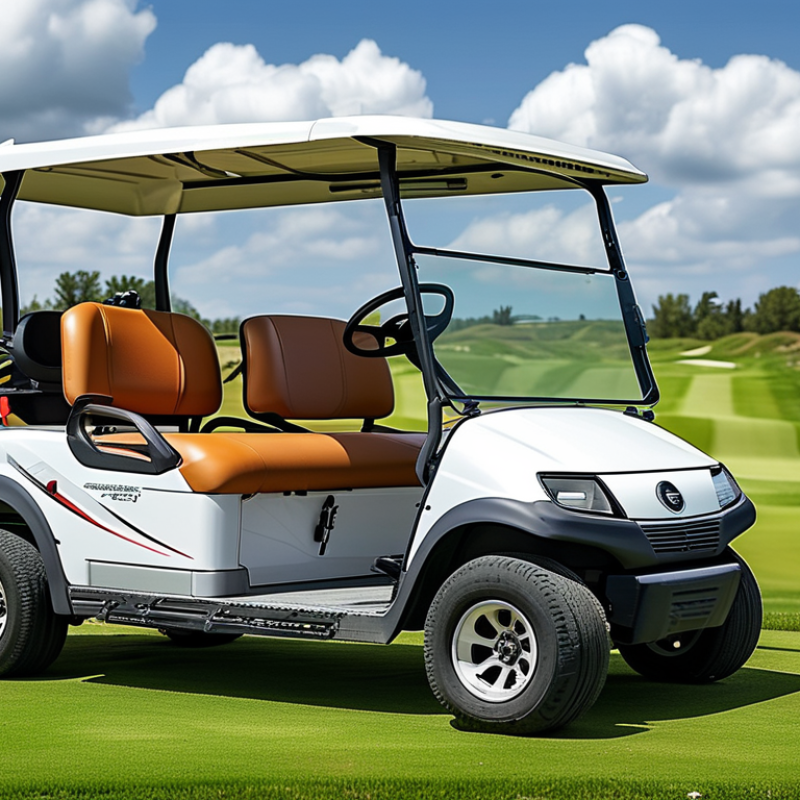
When considering a utility golf cart, start by assessing your specific golfing needs. Are you mainly playing on flat courses, or do you navigate hilly landscapes? Different terrains require different features. A report by the National Golf Foundation indicates that 35% of golfers prefer electric carts for their ease of use and eco-friendliness. If you value sustainability, an electric model might benefit you.
Next, think about how often you'll use the cart. Data shows that 50% of avid golfers use their carts weekly or more. If you fall into this group, comfort becomes crucial. Look for features like ergonomic seats and ample storage space for golf gear. You may want a cart that can accommodate larger bags or coolers for long rounds. It’s essential to reflect on whether you'll use the cart outside golf. Many golfers appreciate a versatile cart for other outdoor activities.
Lastly, cost is a critical factor. Prices can range significantly, influencing your options. Some reports mention that golfers spend an average of $4,000 on a quality cart. However, it’s vital to balance features with budget constraints. Investing too much for rarely used features can lead to regret. Consider how frequently you’ll be using the cart and its practicality for your unique golfing lifestyle.
When evaluating different golf cart models, consider the intended use. Some carts are ideal for the golf course, while others better suit shopping or leisure activities. Terrain matters. If you often drive on hilly grounds, look for powerful motors and superior suspension. Features like adjustable seats and cup holders can enhance comfort, especially during long rides.
Battery life is a crucial factor. Electric carts vary significantly in range and charging time. Test how easy it is to replace or maintain batteries. For convenience, consider carts with ample storage space. Some models offer built-in coolers or compartments for personal items.
Focus on safety features as well. Look for carts equipped with headlights for night use, mirrors for visibility, and seat belts to ensure secure travel. Reflect on how each feature aligns with your lifestyle. A cart with excessive features you won't use could lead to wasted money. Prioritize essential aspects, and remember that personal choice plays a significant role in finding the right fit.
When assessing the budget and cost-effectiveness of utility golf carts, it’s vital to understand your specific needs. Costs can vary significantly based on features and size. A basic model may seem appealing at first due to its lower price tag. However, consider how often you will use it. A budget-friendly option may require more frequent repairs. This can later lead to higher long-term expenses.
Evaluate the total cost of ownership. Factor in maintenance, insurance, and potential upgrades. Cheap carts might save you money initially, but those savings can vanish if they break down often. Look for carts with a good track record of reliability. Reading user reviews can provide insights into long-term durability that aren’t apparent at first glance.
Lastly, think about the cart's versatility and usage. A utility cart designed for simple tasks might not be suitable for heavy-duty needs. If your lifestyle evolves, you may find yourself needing a different model sooner than expected. It’s about balancing the immediate savings with your future requirements. Be cautious, and take the time to weigh both options before making your choice.
| Model | Price ($) | Weight Capacity (lbs) | Battery Type | Range per Charge (miles) | Warranty (Years) |
|---|---|---|---|---|---|
| Model A | 3,500 | 800 | Lead-acid | 30 | 2 |
| Model B | 4,200 | 900 | Lithium-ion | 50 | 3 |
| Model C | 2,800 | 600 | Lead-acid | 25 | 1 |
| Model D | 5,000 | 1000 | Lithium-ion | 60 | 4 |
When choosing a utility golf cart,
battery life and maintenance significantly impact performance.
Most carts run on lead-acid or lithium batteries.
Lead-acid batteries are more affordable but require
frequent recharging and maintenance. They can last around 4-6 years
with proper care. In contrast, lithium batteries
are more expensive but last longer, often exceeding 10 years.
They offer faster charging times, which is convenient for regular use.
Maintenance requirements also vary. Lead-acid batteries need regular
watering and cleaning. This can be time-consuming
and may require specialized knowledge. Neglecting maintenance can lead to reduced lifespan or performance issues.
Lithium batteries generally require less upkeep and are more forgiving.
However, understanding charging cycles and temperature
considerations is essential for maximizing their lifespan.
Consider your specific needs when evaluating battery options. If you often play in remote locations,
a battery with longer life is crucial. If you prefer low maintenance,
lithium might be better despite the cost. It's important to weigh these
factors carefully and reflect on what suits your lifestyle best. Making an informed decision can enhance
your golfing experience and keep your cart functioning well for years to come.
When selecting a utility golf cart, the terrain plays a crucial role. Different terrains demand different features. For instance, courses with steep hills require carts with powerful motors. Some models perform better on rugged paths than others. It's essential to assess the landscape before making a decision. According to a 2022 report by the National Golf Foundation, nearly 60% of golfers prefer carts designed for uneven surfaces.
Size also matters significantly in performance. Compact carts may be easier to maneuver in tight spaces. However, they could lack power on steep inclines. Larger carts often offer more storage but can be cumbersome. A study published in the Journal of Sports Engineering highlighted that the optimal cart size should accommodate both the golfer and their equipment while maintaining agility. A well-balanced cart enhances stability, especially on tricky terrains.
A notable consideration is weight capacity. Choosing a cart that can handle not only the golfer but also their gear is vital. Overloading a cart can cause safety issues. Reports indicate that about 30% of cart accidents are due to improper weight distribution. This statistic emphasizes the need to select a cart that meets your specific requirements. Long-term reliability should be a priority, as improper choices may lead to frequent breakdowns or safety concerns on the course.
: Start by evaluating your golf course terrain. Consider if it’s flat or hilly. Different terrains need different features.
Look for ergonomic seats and ample storage. These features enhance comfort during long rounds of golf.
Electric carts are eco-friendly and easy to use. Many golfers choose them for convenience and sustainability.
Golfers typically spend around $4,000 on a good cart. Balance features with your budget to avoid regret.
About 50% of avid golfers use theirs weekly. If you're in this group, comfort and features become crucial.
Terrain influences power needs. Steep hills require stronger motors and better suspension for optimal performance.
Battery range and charging time vary. Ensure you choose a cart with maintenance that fits your convenience.
Prioritize headlights, mirrors, and seat belts. These features enhance your safety while using the golf cart.
Compact carts are easier to maneuver but may lack power. Larger carts provide more storage but can be cumbersome.
Ensure the cart can handle both the golfer and equipment. Overloading can cause safety issues and accidents.
When choosing the best utility golf carts to meet your personal needs, it's essential to first understand what specific features and functions are necessary for your golfing experience. Take the time to evaluate different golf cart models, focusing on aspects such as size, weight capacity, and accessories that may enhance your gameplay.
Additionally, consider your budget, as utility golf carts vary widely in price and long-term cost-effectiveness. It's crucial to assess battery life and maintenance requirements, ensuring that the cart you select aligns with your expectations for performance and durability. Lastly, factor in the terrain on which you will be using the cart; varying landscapes and conditions can significantly influence the optimal performance of your golf cart, making it necessary to align your choice with these considerations.

Zhigao