Choosing the best Utility Buggy requires more than comparing prices, horsepower, or attractive photographs. It requires matching the vehicle to real working conditions.
Market data shows why careful selection matters. Grand View Research estimates that the global golf cart market reached approximately USD 1.8 billion in 2023. Its report projects continued growth through 2030, driven by resorts, campuses, warehouses, agriculture, and municipal transport. ResearchAndMarkets also identifies rising demand for electric utility vehicles, especially where low noise and lower operating costs matter. However, market definitions differ. Some reports combine golf carts, neighborhood vehicles, and off-road utility vehicles. That can make direct comparisons imperfect.
Mike McCarthy, former president of Textron Specialized Vehicles, expressed a useful principle: “The right vehicle starts with understanding the work it must do.” That means measuring payload, route length, surface conditions, slope, turning space, and daily operating hours before choosing a model. A buggy carrying tools across concrete needs different tires and suspension from one crossing muddy farm tracks. Battery capacity matters too. So does charging access.
Safety should remain visible, not assumed. Check braking performance, visibility, rollover protection, seat restraints, lighting, and operator training. Review manufacturer specifications and independent testing where available. Service support deserves equal attention. A cheaper Utility Buggy may become expensive when parts arrive slowly or batteries fail early.
There is no perfect model. The best choice is usually the most balanced one: suitable capacity, dependable range, manageable handling, and practical maintenance. Sometimes, buyers overvalue speed. That deserves reconsideration.
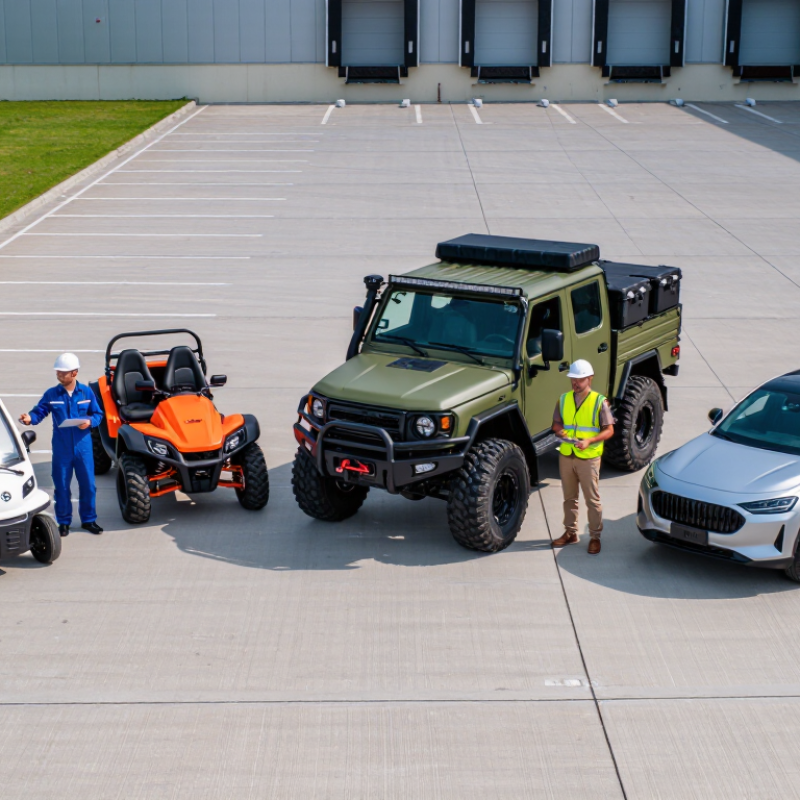
Choosing the best utility buggy starts with its primary jobs, not its appearance. List every routine task: moving tools, carrying materials, towing, inspecting grounds, or transporting people. Record payload weight, trip distance, hourly use, and the steepest slope. A buggy carrying fencing supplies needs different stability and clearance from one serving an indoor warehouse.
The operating environment matters just as much. Measure doorway widths, turning space, surface condition, drainage, dust, and seasonal temperatures. Wet grass can reduce traction quickly. Gravel can increase vibration and braking distance. Indoor routes require low noise, clean tires, and controlled emissions. The 2023 U.S. Bureau of Labor Statistics Census of Fatal Occupational Injuries reported that transportation incidents caused 38.2% of workplace fatalities. That figure supports separating buggy routes from pedestrians and faster vehicles wherever possible.
Match the specification to evidence, not optimistic estimates. Check the rated payload, towing capacity, ground clearance, braking system, visibility, and rollover protection. ANSI/ITSDF B56.8 provides safety guidance for personnel and burden carriers used in industrial settings. A practical trial should include a full load, a wet surface, a tight turn, and an uphill stop. Do not test only on a clean showroom floor. That can be misleading. Recheck the decision after one busy season, because actual loads and operator habits may differ from the original plan.
Match the buggy’s working capacity, terrain capability, and operating features with its main job before comparing models. The figures below represent typical specifications for general utility buggies and should be verified against the manufacturer’s technical data.
| Primary Job and Environment | Recommended Buggy Type | Typical Payload Capacity | Typical Towing Capacity | Useful Operating Features | Important Selection Considerations |
|---|---|---|---|---|---|
|
Light material transport Warehouses, campuses, resorts, paved service roads |
Compact electric utility buggy |
200–400 kg including occupants and cargo |
200–500 kg | Quiet operation, low-speed control, small turning radius, lockable cargo box, onboard charger |
Confirm indoor ventilation requirements, charging access, ramp gradients, and the legal speed limit.
Top priority: maneuverability
|
|
Farm and ranch work Dirt tracks, fields, livestock areas, uneven ground |
Two- or four-wheel-drive utility buggy with a rear cargo bed |
350–700 kg including occupants and cargo |
500–1,000 kg | Four-wheel drive, low-range gearing, corrosion-resistant cargo bed, selectable work lights, independent suspension |
Check ground clearance, approach angle, tire tread, water resistance, and whether the bed can carry feed, tools, or fencing materials.
Top priority: traction and durability
|
|
Construction and landscaping Mud, gravel, slopes, job sites, frequent loading |
Heavy-duty utility buggy with reinforced chassis |
500–1,000 kg including occupants and cargo |
750–1,500 kg | High-clearance suspension, hydraulic or assisted tipping bed, underbody protection, all-terrain tires, roll-over protection |
Compare axle ratings, braking performance under load, attachment compatibility, bed payload, and service access.
Top priority: load handling
|
|
Forestry and rough terrain Loose soil, rocks, roots, wet ground, steep trails |
Four-wheel-drive off-road utility buggy |
400–800 kg including occupants and cargo |
600–1,200 kg | Differential lock, winch mounting points, high ground clearance, engine or battery protection, sealed electrical components |
Select tires for mud or rocky surfaces, verify slope limits, and evaluate recovery points, underbody protection, and rollover safeguards.
Top priority: stability and recovery
|
|
Municipal and facility maintenance Parks, streetscapes, public grounds, service routes |
Multi-purpose utility buggy with interchangeable attachments |
300–700 kg including occupants and equipment |
400–1,000 kg | Modular mounting points, road-legal lighting where required, enclosed storage, easy-clean surfaces, low operating noise |
Assess attachment weight, daily duty cycle, operator visibility, maintenance intervals, and compliance with local road regulations.
Top priority: versatility
|
|
Golf, resort, and guest transport Paved paths, pedestrian zones, moderate slopes |
Passenger-focused utility buggy with rear cargo space |
250–500 kg including passengers and cargo |
200–600 kg | Comfortable seating, smooth suspension, weather canopy, low noise, reliable parking brake, clear visibility |
Calculate passenger weight, luggage volume, route length, charging or refueling time, and accessibility requirements.
Top priority: comfort and safety
|
|
Snow, wet-weather, and cold-region service Snow-covered roads, wet grounds, low temperatures |
Weather-protected utility buggy with suitable traction system |
300–700 kg including occupants and cargo |
400–1,000 kg | Enclosed cab option, defrosting system, four-wheel drive, winter-rated tires, protected battery or fuel system |
Review cold-weather starting or battery performance, braking on ice, corrosion protection, heater energy use, and snow-clearing attachment limits.
Top priority: weather readiness
|
List daily tasks, including tool transport, material hauling, towing, inspections, and passenger movement. Record payload, distance, hours, and slope. Appearance matters less. Choose for the hardest regular task.
Measure doorways, turning areas, drainage, dust, temperatures, and surface conditions. Wet grass reduces traction quickly. Gravel increases vibration and braking distance. Indoor routes need quiet operation and clean tires.
Yes. Separate buggy routes from pedestrians and faster vehicles whenever possible. Use clear paths, visibility controls, and suitable speeds. Small spaces can become dangerous quickly.
Gasoline supports quick refueling and long shifts. Diesel usually provides strong low-speed torque. Electric systems are quiet and suitable for indoor or campus work. Check charging access, especially during cold weather.
Two-wheel drive suits firm lanes and lighter loads. Four-wheel drive helps on mud, gravel, slopes, and wet grass. Selectable drive can reduce energy use on paved areas. More drive hardware can increase weight and maintenance.
Include cargo, operators, tools, and uneven terrain in the calculation. A 15–20% working margin can reduce sluggish handling and premature wear. This is not universal. Real work is messy.
Measure total width, turning radius, loaded height, ground clearance, and trailer access. Check the narrowest doorway and aisle. A high center of gravity may make a buggy feel unstable. Tire pressure also affects steering and comfort.
Look for reliable brakes, clear controls, lighting, mirrors, handholds, restraints, and rollover protection. Confirm that visibility remains good with a full load. Strong power cannot replace weak braking. Test it loaded.
Test a realistic full load on wet ground, a tight turn, and an uphill stop. Check braking distance, traction, vibration, and operator comfort. Do not test only on a clean showroom floor. I once underestimated a slope. That changed my checklist.
Choosing the best Utility Buggy starts with understanding how and where you will use it. Consider its primary jobs, such as transporting tools, carrying materials, supporting property maintenance, or assisting with outdoor work. The operating environment is equally important, so think about terrain, weather, slopes, ground clearance, and the distance it must cover. Compare engine types, drive systems, power delivery, and performance requirements to ensure the buggy can handle regular workloads without unnecessary operating costs.
Next, evaluate practical details including load capacity, dimensions, storage space, seating comfort, visibility, and essential safety features. A suitable Utility Buggy should match the terrain while remaining easy to maintain and economical to run. Review service requirements, fuel or energy consumption, replacement parts, and expected long-term reliability. Finally, compare available models with your budget and ownership plans, considering both the purchase price and future expenses. The best choice is a balanced vehicle that delivers dependable performance, useful capacity, comfortable operation, and value throughout its working life.

 Zhigao