Choosing the best Electric Buggy Cart starts with the route, not the showroom. A smooth golf course needs different equipment from a hilly estate, resort path, or farm lane. Consider distance, surface, passenger load, storage needs, and charging access. A cart that travels 40 miles on flat pavement may perform differently on wet grass or steep ground.
Electric mobility consultant Alex Morgan explains, “The right buggy is the one that matches your daily terrain, not the one with the longest feature list.” That principle deserves attention. Battery capacity matters, but so do motor power, braking control, suspension travel, tire grip, and ground clearance. Lithium batteries usually reduce weight and charging time. Lead-acid batteries may cost less initially, though their maintenance can become inconvenient. Buyers should inspect the charger, battery warranty, service network, and replacement costs before deciding.
Small details often reveal quality. Sit in the driver’s seat and check knee room. Test the steering around a tight corner. Listen for unusual motor noise. Measure the storage compartment with your actual equipment. Do not rely only on advertised range. Real conditions change it.
A perfect choice does not exist. It is easy to overvalue speed and overlook braking confidence. I would also question impressive specifications without clear testing conditions. This guide will compare Electric Buggy Cart models through practical criteria, helping readers balance comfort, safety, durability, operating cost, and long-term support. The best purchase should feel dependable on an ordinary Tuesday, not merely impressive during a short demonstration.
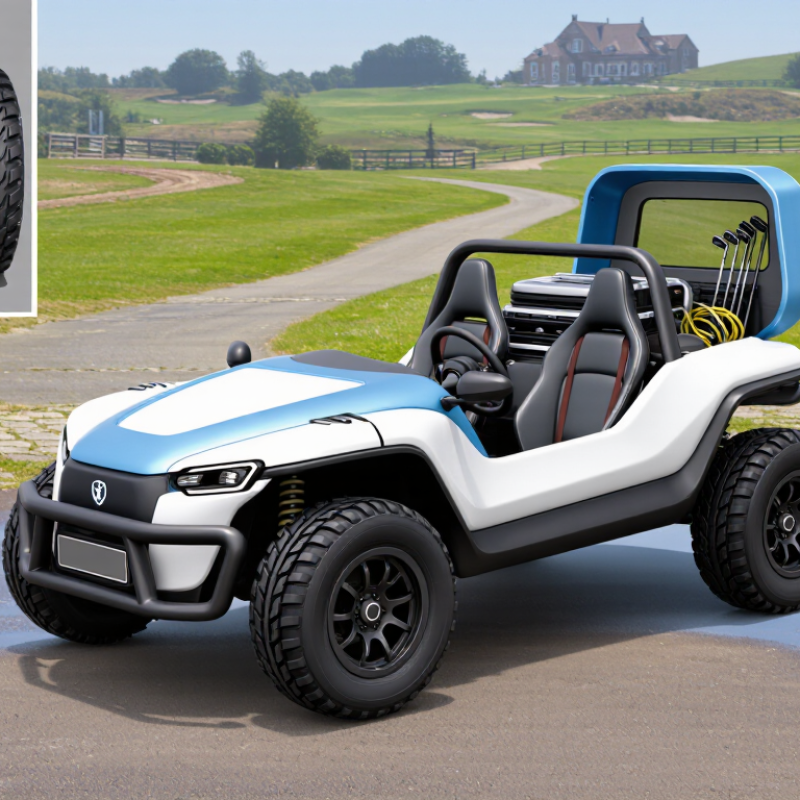
How to Choose the Best Electric Buggy Cart?
Electric buggy carts are not one single vehicle. Golf carts carry players and clubs across maintained paths, while utility carts move tools, bins, or construction materials. Personnel carriers suit campuses, resorts, and large facilities. Neighborhood models need better weather protection, lighting, and road-appropriate safety equipment.
Use determines the correct cart. The National Golf Foundation’s 2024 industry report counted nearly 16,000 golf facilities in the United States, showing why golf remains a major application. However, a farm or warehouse needs different priorities. Check payload, ground clearance, turning radius, braking performance, and ramp ability. A comfortable seat means little if the cart struggles on wet grass.
Battery choice also matters. Lithium systems usually reduce weight and charging time, while lead-acid batteries can lower the purchase price. The International Energy Agency’s Global EV Outlook 2024 reported more than 14 million electric car sales in 2023. That wider shift is improving battery technology, but it does not guarantee every buggy cart has equal quality. My first shortlist was too focused on range. I later found that tire grip, charger access, and service support affected daily productivity more. Range estimates can also change sharply with hills, passengers, cold weather, and heavy loads. Check the manufacturer’s test conditions carefully. They are not always realistic.
A practical trial helps. Load the cart, drive its usual route, and test charging access before purchasing. Five minutes can reveal a lot.
| Electric Buggy Cart Type | Typical Seating or Load Capacity | Typical Speed Range | Typical Travel Range | Best-Suited Uses | Key Advantages | Main Considerations |
|---|---|---|---|---|---|---|
| Passenger Shuttle Buggy | 4–14 passengers, depending on configuration | 15–30 km/h | 50–100 km per charge | Resorts, hotels, campuses, airports, residential communities, and event venues | Comfortable passenger transport, easy boarding, and good visibility for drivers | Requires adequate turning space; passenger versions may need local road-use approval |
| Utility Cargo Buggy | Approximately 300–1,000 kg of payload | 15–35 km/h | 40–100 km per charge | Warehouses, factories, farms, golf facilities, maintenance operations, and construction sites | Useful rear beds or flat platforms, low operating noise, and efficient short-distance hauling | Payload capacity decreases on slopes; cargo must be secured and distributed evenly |
| Flatbed Electric Cart | Approximately 500–1,500 kg of payload | 10–30 km/h | 40–90 km per charge | Material handling, landscaping, manufacturing, agriculture, and facility maintenance | Large open deck supports bulky or irregularly shaped loads | Limited weather protection; check deck dimensions and axle-load ratings before purchase |
| Tipper or Dump Buggy | Approximately 300–1,000 kg of payload | 10–25 km/h | 35–80 km per charge | Soil, gravel, waste, compost, landscaping, and agricultural work | Hydraulic or powered tipping mechanism reduces manual unloading effort | Hydraulic systems add weight and maintenance requirements; avoid exceeding the rated load |
| Enclosed Cabin Buggy | 1–4 occupants or approximately 300–800 kg of cargo | 15–30 km/h | 50–100 km per charge | All-weather facility transport, airport service, security patrols, and indoor logistics | Improved protection from rain, wind, dust, and low temperatures | Higher purchase cost, greater vehicle weight, and reduced maneuverability in narrow areas |
| Off-Road Electric Buggy | 2–6 passengers or approximately 300–700 kg of payload | 15–35 km/h | 35–80 km per charge | Large estates, farms, outdoor attractions, forestry access, and uneven private terrain | Higher ground clearance, stronger suspension, and improved traction on rough surfaces | Off-road capability can increase energy consumption and tire wear |
| Low-Profile Indoor Cart | 1–2 operators or approximately 200–600 kg of payload | 8–20 km/h | 30–70 km per charge | Warehouses, hospitals, shopping centers, production lines, and indoor service routes | Compact dimensions, tight turning radius, and low noise for occupied environments | Not ideal for steep outdoor terrain, long distances, or heavy weather exposure |
| Street-Legal Neighborhood Cart | 2–6 passengers or light cargo | 25–45 km/h, subject to local regulations | 60–120 km per charge | Private communities, campuses, short local trips, and low-speed public roads where permitted | May include lighting, mirrors, seat belts, indicators, and other road-use equipment | Registration, insurance, licensing, safety equipment, and speed rules vary by location |
Specifications are typical industry ranges for comparison only. Actual capacity, speed, range, charging time, and legal requirements vary by vehicle design, battery type, terrain, weather, payload, and local regulations.
Golf carts suit maintained paths and player transport. Utility carts carry tools, bins, or materials. Personnel carriers serve campuses and large facilities. Neighborhood models need lighting, weather protection, and suitable safety equipment.
Measure doorways, aisles, turning spaces, ramp angles, and storage height. Include batteries, passengers, tools, and attachments. A compact cart may fit better. A longer chassis may carry more cargo.
Match capacity to the heaviest realistic load, not the average load. Add passenger and cargo weight. Keep about 15 percent reserve for uneven surfaces. This reserve helps, but it is not a guarantee.
Ground clearance affects performance on grass, ramps, and uneven paths. A low cart may struggle near drainage channels. A higher cart can handle rougher ground, but may feel less stable.
Consider terrain, duty cycle, and total load. Smooth indoor floors need less power. Steep paths require stronger torque and suitable gearing. Rated power matters more than a brief peak figure.
Lithium batteries usually reduce weight and charging time. Lead-acid batteries may lower the purchase price. Compare charger access, service support, replacement costs, and daily use. The cheapest option may not stay cheapest.
Treat range estimates carefully. Hills, cold weather, passengers, and heavy loads reduce real range. Test the loaded cart on its normal route. Range alone fooled my early shortlist.
Load the cart with realistic passengers and cargo. Drive its usual route, including ramps and wet areas. Check braking, tire grip, turning space, and charging access. Five minutes can reveal a lot.
Choosing the best Electric Buggy Cart starts with understanding how and where it will be used. Different models may be designed for personal transportation, resorts, campuses, warehouses, farms, or light commercial tasks, so consider the terrain, passenger capacity, cargo requirements, and frequency of use. Select a suitable size, load rating, and motor power to ensure reliable performance without unnecessary energy consumption.
Battery type, driving range, charging time, and access to a safe charging location are also important factors. A well-designed Electric Buggy Cart should include dependable brakes, lighting, seat belts, clear controls, and stable handling. Comfort features, weather protection, frame strength, and tire quality can greatly improve daily usability. Before purchasing, review maintenance needs, replacement-part availability, operating regulations, and the total cost of ownership, including energy, servicing, insurance, and battery replacement. A careful comparison will help you choose a practical, safe, comfortable, and cost-effective cart for your specific needs.

 Zhigao