Choosing the best Electric Buggy Car requires more than comparing speed, styling, and advertised range. A capable model should match your terrain, passenger needs, storage space, and charging routine. Think about where you will drive it: a smooth private path differs greatly from loose gravel, wet grass, or steep ground. Tire tread, ground clearance, suspension travel, and braking control can matter more than peak power.
Look closely at the battery chemistry, charging time, motor rating, and expected range under real conditions. Manufacturer figures often assume ideal surfaces, moderate temperatures, and light loads. Real use may be less generous. A test drive can reveal details that specifications miss, such as steering effort, seat support, turning noise, and how confidently the buggy stops on a slope. Small details matter.
Safety deserves equal attention. Check the seat belts, lighting, mirrors, rollover protection, and available safety documentation. Confirm that the vehicle is suitable for its intended location and follows local requirements. Reliable sellers should provide clear warranty terms, parts availability, battery guidance, and service contacts. Independent reviews can help, but not every online opinion is carefully tested.
No checklist is perfect. Personal comfort still matters. A practical buying decision balances evidence with direct experience, rather than trusting one impressive number. By comparing verified specifications, realistic use cases, and long-term ownership costs, you can choose an Electric Buggy Car that feels dependable after the excitement fades. That is the real test.
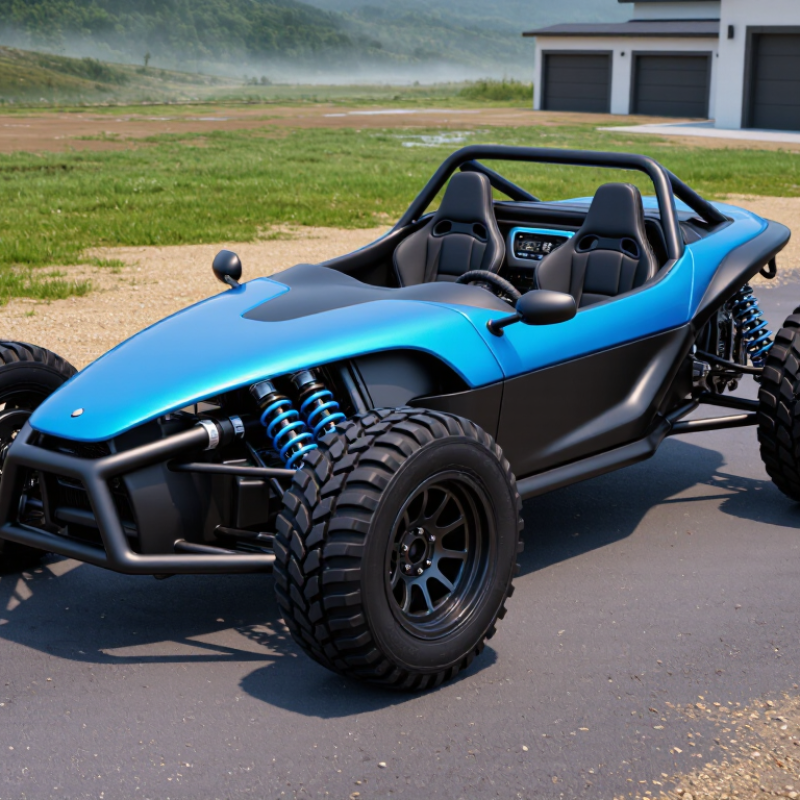
Define the use case around FMVSS 500’s 25 mph low-speed vehicle limit. In the United States, FMVSS No. 500 defines a low-speed vehicle as a four-wheeled vehicle capable of more than 20 mph, but not more than 25 mph. The standard also requires equipment such as headlights, taillights, turn signals, mirrors, seat belts, and a windshield. Check the vehicle’s compliance documents, not only its advertised speed. Local road rules may be stricter.
NHTSA’s 2022 Traffic Safety Facts reports 12,151 speeding-related traffic deaths, representing 29% of all traffic fatalities. That figure makes route selection important. A 25 mph buggy may suit gated communities, campuses, farms, and short neighborhood trips. It becomes less suitable beside fast traffic, steep hills, or roads with poor shoulders. During a test drive, measure braking distance on a dry surface. Then repeat the check with passengers and cargo. Small details matter.
Battery capacity is another practical concern. Ask for usable battery energy, charging time, payload, and hill-climbing performance. A large battery can add weight and lengthen stopping distance. That trade-off is easy to miss. Inspect the lamps at dusk, test the mirrors, and sit in every seating position. The best choice is not always the fastest one. I would also question any range figure measured under ideal weather, flat terrain, and a light load. Real routes are rarely so polite.
FMVSS No. 500 defines a low-speed vehicle as capable of over 20 mph, but no more than 25 mph. Check compliance documents, not just the speed shown in an advertisement. Local rules may be stricter.
It may suit campuses, farms, gated communities, and short neighborhood trips. Avoid routes beside fast traffic, steep hills, or roads with narrow shoulders. Route choice matters.
Compare usable energy, payload, terrain, and motor compatibility—not voltage alone. A 48V, 100Ah battery stores about 4.8kWh; a 72V, 100Ah battery stores about 7.2kWh. More power is not always better.
Divide usable battery energy by average energy use, then allow for losses. A 4.8kWh battery using 120Wh per kilometer may travel about 40 kilometers before real-world adjustments. Cold weather, soft ground, and frequent braking can reduce range. Brochure figures deserve a second look.
Passengers, tools, and cargo increase energy use, especially on slopes. Test braking on a dry surface, then repeat with a realistic load. Small details matter.
Fasten each belt, pull the webbing, and check that the buckle locks. Test headlights, brake lights, and indicators at dusk. Look closely for cracked lenses or twisted straps.
Ask for instructions covering the specific vehicle and seating setup. A sturdy-looking frame alone proves little. I would double-check the documentation.
Request certification documents for the exact model or component and check applicable UL standards. Inspect cables for fraying, covers for secure closure, and connectors for corrosion or heat damage. A charger’s certification does not automatically cover the whole vehicle.
Choosing the best Electric Buggy Car starts with defining how and where it will be used. For low-speed neighborhood or facility travel, confirm that its design aligns with the 25 mph limit associated with FMVSS 500 and meets the intended operating environment. Compare 48V and 72V systems by examining battery capacity, expected load, terrain, charging needs, and realistic driving range rather than voltage alone.
A reliable selection should also include verified payload capacity, hill-climbing ability, and braking performance tested under SAE J2908 conditions. Weather protection is equally important: an IEC 60529 rating such as IP54 may suit light exposure, while IP65 or higher offers stronger protection against dust and water. Finally, inspect seat belts, lighting, rollover protection, and electrical components that follow applicable UL safety standards. Evaluating these factors together helps ensure the vehicle is practical, durable, and appropriate for its intended use.

 Zhigao