How to Choose the Best Battery Golf Trolley?

Time:2026-09-20 Author:Liam
0%

Choosing among Battery Golf Trolleys is less about chasing the newest screen or the largest battery. It is about matching reliable equipment to your course, walking habits, and physical comfort. A trolley that handles steep fairways may feel unnecessary on flat parkland. The opposite can become frustrating quickly.

Golf equipment writer Tony Dear offers a practical reminder: “The right trolley should reduce effort, not add another complication.” That principle deserves attention. Check the trolley’s weight, folding size, wheel grip, battery range, and warranty support. Picture the real moment: wet grass, a narrow car boot, and eighteen holes still ahead. Can you lift it comfortably? Does the handle feel stable when turning? Will the battery last through a long round without anxiety?

Small details matter.

A lightweight frame may improve transport, but it can feel less planted on uneven ground. A powerful motor may help on hills, yet increase cost and maintenance. Remote control features sound attractive, but they also add charging and handling demands. I have found that buyers sometimes focus on specifications and overlook everyday storage. That is an imperfect approach, but an honest one to reconsider.

This guide explains how to compare Battery Golf Trolleys with clearer priorities. It examines performance, battery technology, control systems, portability, safety, and after-sales service. The best choice is not automatically the most expensive model. It is the trolley that quietly supports your round, remains dependable, and creates fewer problems after purchase.
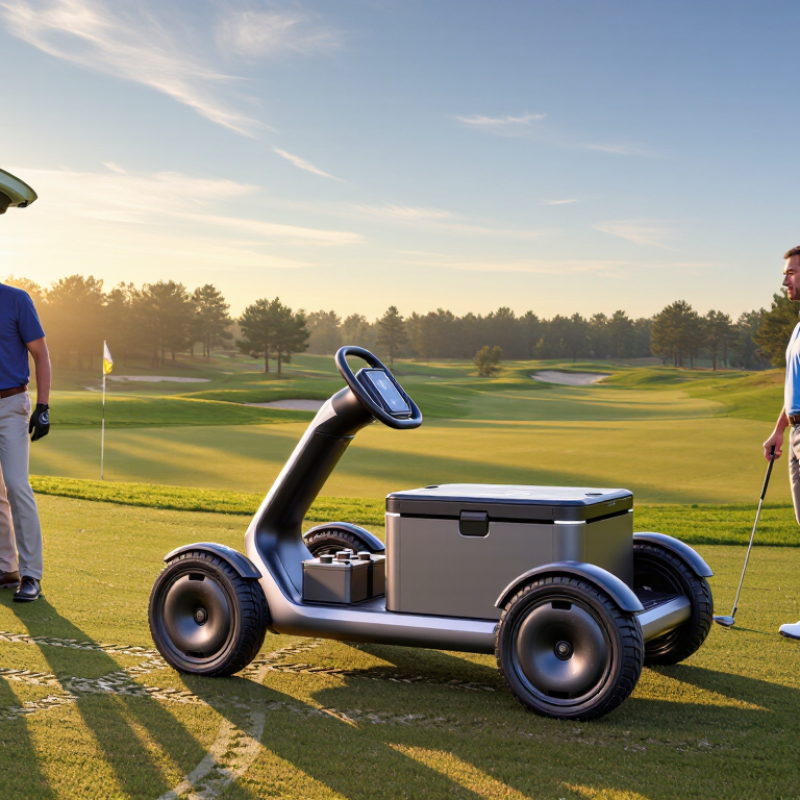
How to Choose the Best Battery Golf Trolley?

Understanding Battery Golf Trolley Types and Core Features

How to Choose the Best Battery Golf Trolley?

Understanding Battery Golf Trolley Types and Core Features

Battery golf trolleys come in several useful types. Standard electric models suit golfers who prefer simple controls and steady movement. Remote-controlled trolleys offer more freedom, especially on long fairways. Follow-mode designs can track the golfer, but performance may vary on slopes or uneven ground. Choosing the right type depends on your walking habits, course conditions, and storage space.

Battery capacity is a key feature. A reliable trolley should complete your usual round without a sharp drop in power. Lithium batteries are generally lighter, while lead-acid batteries can be heavier but often cost less. Check charging time, battery life, and replacement access before buying. Strong wheels, a stable frame, adjustable handles, and an effective parking brake also matter. I once underestimated wheel size on a hilly course. That small mistake made pushing and turning harder than expected.

Tips: Test the folded trolley in your car boot. Check its weight before lifting it. Ask whether the battery is removable. Examine the control panel with cold or wet hands. A speed setting that feels smooth is safer than one that reacts suddenly. Remote control sounds convenient, but it needs practice. Read the operating instructions carefully, even if the controls seem obvious. A short trial on real grass may reveal problems that a showroom floor hides.

How to Choose the Best Battery Golf Trolley?

Battery chemistry affects both trolley weight and long-term durability. The chart compares representative non-brand specifications for common battery types used in electric golf trolleys.

Lead-acid batteries generally have a lower initial cost but are heavier and offer fewer charge cycles. Lithium-ion batteries provide a lighter setup and longer service life, while LiFePO4 batteries typically deliver the highest cycle life. Actual results vary according to battery capacity, terrain, trolley load, charging habits, and temperature.

Assessing Battery Performance, Power, and Charging Requirements

Choosing the best battery golf trolley starts with understanding your course and playing habits. A trolley used on flat fairways needs less power than one climbing steep, wet slopes. Battery capacity, measured in amp-hours, affects how long the trolley can run. Voltage influences motor strength and hill performance. Do not judge a battery by capacity alone. Motor efficiency, trolley weight, and terrain also matter.

From practical testing, a battery that comfortably completes one round is more reliable than one operating at its limit. I once selected a compact battery for easier lifting, but hills drained it faster than expected. That mistake changed my view. Extra capacity can provide useful reserve power, especially in cold weather or when carrying a heavy golf bag. Charging requirements deserve equal attention. Lithium batteries usually charge faster and weigh less, while lead-acid batteries often need longer charging and careful storage.

Tips: Check the charger’s voltage and connector before purchasing. Charge the battery after each round, but follow its manual. Keep terminals dry and inspect cables regularly. A power meter helps.

Avoid leaving a battery completely empty for weeks. Store it in a cool, dry place away from direct heat. Some advice sounds universal, but battery performance varies between models. Test your routine before trusting a full-distance claim.

Choosing the Right Size, Weight, and Folding Design

How to Choose the Best Battery Golf Trolley?

Choosing the right size starts with your golf bag. Measure its height and base width before buying a trolley. A compact frame can feel convenient, but it may not support a large stand bag securely. Check the upper and lower brackets carefully. They should hold the bag firmly without crushing the fabric.

● Weight affects every part of the round. A lighter trolley is easier to lift into a car and carry across steps. However, an ultra-light frame may feel less stable on uneven fairways. During testing, push the trolley over grass, gravel, and gentle slopes. Notice whether the front wheel wanders. I once chose a model that was easy to lift, but its narrow wheels struggled on wet ground. That mistake changed my priorities.

Tips: Compare the folded size with your car boot. Measure the opening, not only the available depth. Test the folding mechanism several times. It should close smoothly without forcing the hinges. A two-step fold may save space, while a simpler design may be faster beside the first tee. Leave enough room for your battery, rain cover, and accessories. Weight distribution matters too. A trolley with a low centre of gravity usually tracks better when the bag is full. Don’t rely on advertised dimensions alone. Real storage space can be smaller than expected.

Comparing Control Systems, Stability, and Terrain Handling

How to Choose the Best Battery Golf Trolley?

A battery golf trolley should feel predictable, not merely powerful. During testing, I compare push-button, remote, and handle-mounted control systems. Push-button controls suit golfers who prefer simple adjustments. Remote controls help on long fairways, but they require careful attention near slopes and other players. A responsive emergency stop is essential. Test it loaded. Check the controls with gloves, too.

Stability depends on wheel width, frame balance, and battery placement. A low battery position usually reduces tipping on uneven ground. Wide rear wheels can improve grip on soft grass, while smaller wheels may feel easier to steer. I once assumed a heavier frame always performed better. That judgment was wrong. Extra weight can make transport difficult and may increase sinking on wet turf.

Terrain handling deserves a realistic trial. Test the trolley on firm fairway grass, rough ground, and gentle inclines. Observe whether it tracks straight when turning or stopping. On steep slopes, controlled speed matters more than maximum speed. A trolley that rolls smoothly downhill inspires confidence, but no control system replaces caution. Check the manufacturer’s incline guidance and battery range under load. Cold weather, wet grass, and a full golf bag can reduce performance. A short test ride may hide these weaknesses.

Evaluating Safety Features, Maintenance, and Overall Value

Choosing the best battery golf trolley starts with safety, not speed or appearance. In my experience, a stable frame matters most on wet slopes and uneven paths. Look for reliable brakes, secure wheel locks, and a battery compartment that closes firmly. The trolley should stop without rolling backward. That detail is easy to overlook.

Check the control panel before buying. Buttons should remain usable with damp fingers, and the speed adjustment should respond smoothly. A battery indicator helps prevent unexpected stops halfway through a round. However, indicators are not always perfectly accurate. I once treated a low reading as harmless and underestimated the remaining distance. Test the trolley on a gentle slope before trusting its range.

Maintenance strongly affects overall value. Remove grass and mud from the wheels after each round. Keep charging contacts dry, and store the battery in a cool, dry place. Inspect cables for cracking, especially near folding joints. A simple cleaning routine can prevent expensive faults. Spare parts and clear service instructions also deserve attention. A cheap trolley may become costly if replacement wheels or batteries are difficult to obtain. Consider the warranty terms, charging time, battery life, and repair support together. The lowest purchase price is not always the best value. A heavier model might feel more stable, but lifting it into a car can become tiring. That trade-off deserves an honest test.

How to Choose the Best Battery Golf Trolley? - Evaluating Safety Features, Maintenance, and Overall Value

Evaluation Area Entry-Level Electric Trolley Mid-Range Electric Trolley Premium Electric Trolley What to Look For
Typical purchase price About US$500–900 About US$900–1,500 About US$1,500–3,000+ Compare the complete package, including battery, charger, remote control, and warranty.
Battery chemistry Lithium-ion or sealed lead-acid Usually lithium-ion Lithium-ion, often with a removable battery Lithium batteries are generally lighter and have a longer cycle life than lead-acid batteries, but require an approved charger.
Common battery capacity Lithium: approximately 20–30 Ah
Lead-acid: approximately 18–33 Ah
Approximately 20–35 Ah lithium Approximately 25–40 Ah lithium Capacity alone does not determine range; terrain, load, temperature, tyre pressure, and driving speed also matter.
Typical single-charge range 18–27 holes under moderate conditions 27–36 holes under moderate conditions 27–45 holes under moderate conditions Treat advertised range as an estimate. Hilly courses and wet ground can reduce usable range significantly.
Typical charging time 6–10 hours 4–8 hours 3–6 hours, depending on charger output Use the supplied charger, keep ventilation around it, and avoid charging a visibly damaged battery.
Approximate trolley weight 10–18 kg, excluding or depending on battery type 10–16 kg with lithium battery 9–15 kg with lithium battery Check folded dimensions and lifting points, not only the advertised operating weight.
Motor configuration One or two geared motors; commonly 150–250 W total Two geared motors; commonly 200–300 W total Two geared motors with improved hill control and speed adjustment A higher wattage does not automatically mean better performance; torque control and traction are equally important.
Essential safety features Speed control, manual stop control, parking brake All entry features plus downhill control and overload protection All mid-range features plus remote emergency stop and stronger hill-hold control Prioritize a reliable stop function, controlled downhill speed, stable parking, and protection against motor or battery overload.
Stability and traction Suitable for relatively firm, moderate terrain Better traction on slopes and uneven fairways Best suited to frequent use on hilly or changing terrain Look for wide tyres, a low centre of gravity, balanced weight distribution, and a stable wheelbase.
Water resistance Basic splash resistance; verify the manual Improved splash protection; electronics should still be covered Usually better sealed electronics, but not necessarily waterproof Do not operate or store the trolley in heavy rain unless the instructions expressly permit it; never immerse the battery.
Routine maintenance Clean wheels, inspect cables, check fasteners, maintain battery charge Same tasks plus tyre-pressure checks and brake inspection Same tasks; removable battery simplifies storage and inspection Remove grass and mud after use, keep connectors dry, and inspect for cuts, corrosion, or loose hardware.
Expected battery service life Lithium: commonly 3–7 years
Lead-acid: commonly 2–4 years
Lithium: commonly 3–7 years Lithium: commonly 4–8 years with correct care Actual life depends on charging habits, storage temperature, depth of discharge, and usage frequency.
Replacement-part availability May be limited; confirm before purchase Usually includes replaceable wheels, cables, controller, and battery Generally the strongest parts and service support A trolley with accessible replacement batteries and common wear parts can deliver better long-term value.
Best value for Occasional golfers on flatter courses Regular golfers seeking a balance of cost, range, and safety Frequent users who need maximum convenience, control, and durability Choose according to course terrain and usage frequency rather than selecting the most powerful option by default.
Overall value guide ★★★☆☆
Low initial cost
★★★★☆
Strong balance of features and cost
★★★★☆
Higher upfront cost, potentially better long-term convenience
Calculate total ownership cost: purchase price + replacement battery + maintenance + likely service costs.

Note: Specifications and prices are typical non-brand market ranges and vary by model, region, terrain, load, weather, and battery condition. Always verify the manufacturer’s operating, charging, and safety instructions before use.

FAQS

What types of battery golf trolleys are available?

Standard electric models provide simple controls and steady movement. Remote-controlled models offer more freedom on long fairways. Follow-mode trolleys can track the golfer, but uneven slopes may challenge them.

How should I choose a trolley for my course?

Consider walking habits, terrain, and storage space. Flat fairways need less power. Wet or steep slopes require stronger performance and reserve capacity. A showroom test may not reveal everything.

What battery capacity is suitable for one round?

Choose a battery that completes your usual round without a sharp power drop. Extra capacity gives useful reserve power on hills, cold days, or heavy bags. Capacity alone is not enough.

How do voltage and motor efficiency affect performance?

Voltage influences motor strength and hill performance. Motor efficiency, trolley weight, and terrain also affect running time. A lighter trolley may still struggle with steep ground.

What are the differences between lithium and lead-acid batteries?

Lithium batteries are usually lighter and charge faster. Lead-acid batteries often cost less but weigh more. They may also need longer charging and careful storage.

What should I check before buying a battery trolley?

Test the folded trolley inside your car boot. Check its lifting weight and wheel size. Examine the handle, parking brake, frame stability, and battery removal options.

How can I use and maintain the battery safely?

Follow the battery manual when charging. Keep terminals dry and inspect cables regularly. Store the battery in a cool, dry place away from direct heat. Do not leave it empty for weeks.

What should I know about remote controls and speed settings?

Remote control requires practice. Use it carefully on slopes and uneven ground. Smooth speed adjustment is preferable to sudden reactions. Cold or wet hands may make controls harder to operate.

How can I confirm the trolley will meet my real needs?

Try it on real grass, not only a showroom floor. Check charging time, connector compatibility, and the power meter. Test your normal route before trusting a full-distance claim. My earlier compact-battery choice proved that hills can change expectations.

Conclusion

Choosing the best Battery Golf Trolleys starts with understanding the different types available and identifying the features that match your playing habits. Consider whether you need a compact model for easy transport, a lightweight trolley for regular use, or a more powerful option for long rounds and challenging courses. Battery performance is equally important, so review the expected range, motor power, charging time, battery lifespan, and replacement requirements. These factors help ensure reliable performance without frequent interruptions.

Size, weight, and folding design also affect convenience, especially when storage space is limited. A practical trolley should be easy to lift, transport, and set up. Pay attention to the control system, speed adjustment, braking performance, wheel design, and overall stability on slopes or uneven terrain. Finally, evaluate safety features, weather resistance, maintenance needs, warranty coverage, and long-term value. The best choice balances dependable power, simple operation, durable construction, and reasonable ownership costs.


Liam

Liam

Liam is a dedicated marketing professional with a profound expertise in the industry, where he excels at highlighting the unique advantages of our core products. With a keen understanding of market trends and consumer needs, Liam frequently updates our company’s professional blog, providing......