How to Choose the Best Golf Cart Utility Cart?

Time:2026-11-20 Author:Sophia
0%

Choosing a Golf Cart Utility Cart starts with the work you need it to do. Hauling garden tools, groceries, or maintenance supplies calls for different storage and load capacity. The best choice is not always the largest one. A wide cart may carry more, but it can be awkward on narrow paths or inside a crowded garage.

Check the cart’s rated payload, dimensions, tire type, and attachment method before comparing extras. A full bag of soil or a toolbox can shift during a bumpy ride, so secure sides and a stable base matter. Confirm that the cart fits your golf cart model and hitch setup; compatibility should come from the manufacturer’s specifications, not appearance alone. Small details matter. For uneven ground, larger tires may roll more smoothly, while compact wheels can suit firm, level routes. Consider how the cart turns, where it will be stored, and whether its materials can handle regular outdoor use. These details can be easy to miss.

A feature list can look impressive yet overlook the demands of your route. That can be frustrating. Compare practical features with your actual tasks, and treat claims about capacity or durability carefully unless specifications support them. There is no perfect pick. A careful match between load, terrain, fit, and storage usually matters more than extra accessories. This guide explains how to assess those factors and choose a Golf Cart Utility Cart that works reliably for everyday jobs.
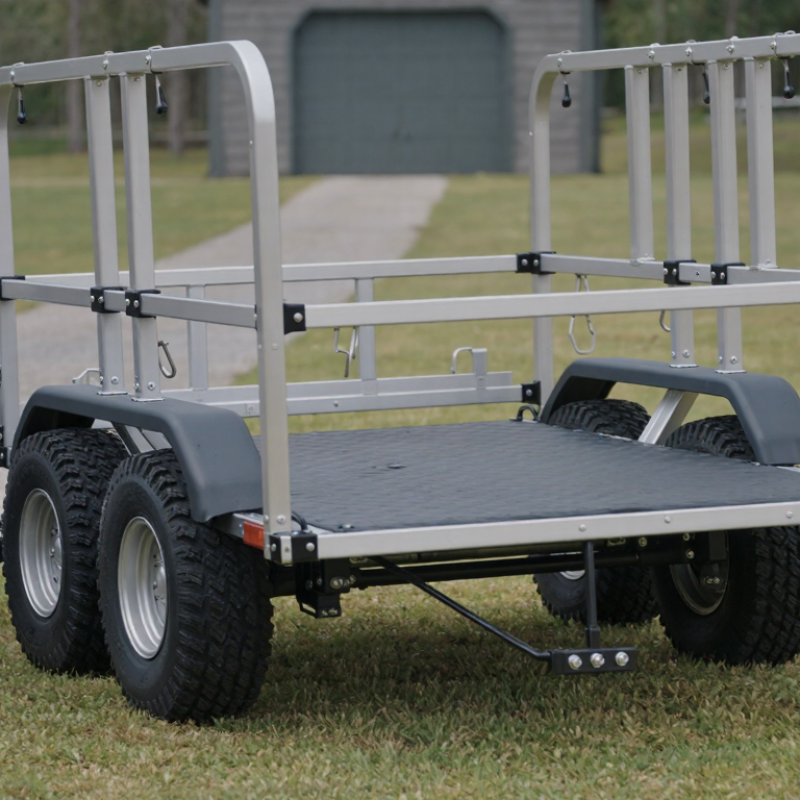
How to Choose the Best Golf Cart Utility Cart?

Identify the Cart’s Main Jobs and Operating Environment

How to Choose the Best Golf Cart Utility Cart?

Identify the Cart’s Main Jobs and Operating Environment

Start with the work, not the cart’s appearance. Will it carry tools, beverage supplies, maintenance materials, or passengers? List typical loads, daily trips, and the heaviest item it must carry. A cart moving fertilizer bags across wet grass has different needs from one delivering towels along paved paths. Check payload, bed dimensions, turning space, and whether the cargo needs a cover. A large rated capacity is useful only if the load fits securely.

Then map the route. Note slopes, narrow gates, soft ground, standing water, and rough patches. Tire type, ground clearance, braking, and traction can matter more than top speed. The National Golf Foundation’s 2024 Golf Industry Report estimated 26.6 million U.S. on-course golfers in 2023, a reminder that busy facilities may need carts to navigate shared paths safely. The U.S. Department of Energy’s Alternative Fuels Data Center describes low-speed vehicles as typically operating above 20 and up to 25 mph; that is a vehicle category, not a recommendation for every course. Match speed to your route and tasks. That matters. Also consider charging access, storage, and rain exposure. One easy mistake is choosing for the best-weather day. Test the proposed load on the steepest regular route before deciding.

Compare Payload Capacity, Cargo Space, and Cart Dimensions

Choosing a golf cart utility cart starts with the load, not the advertised bed size. Check the rated payload and confirm whether it includes passengers, accessories, and cargo. A 500-pound limit can shrink quickly when two adults and a toolbox ride together. Keep some margin below the maximum; bumps and slopes can make an overloaded cart feel unstable. Weight near the rear edge may also affect steering.

Cargo space needs a tape measure, not a guess. Note the bed length, width between wheel wells, and usable height beneath rails or covers. A long bag of feed may fit by length but not across the wheel arches. Measure twice. It is easy to focus on a listed volume and overlook the awkward shape of real cargo. Check how items load, too: a high tailgate or poorly placed tie-down points can make usable space less practical.

Cart dimensions matter for sheds, trailers, and narrow paths. Measure overall length and width, including mirrors, roof, and any rear hitch; published figures may exclude accessories. Check turning clearance, not just whether the cart fits through a doorway. That matters. Leave a few inches of spare width for uneven approaches, even if the fit looks comfortable on paper. A cardboard outline on the floor can reveal a tight spot before you buy.

Evaluate Powertrain, Range, and Terrain Performance

How to Choose the Best Golf Cart Utility Cart?

Powertrain, range, and terrain performance shape how useful a golf cart utility cart will be day to day. Electric models deliver quiet operation and steady low-speed torque, which helps when carrying tools across a worksite. Fuel-powered models may suit longer shifts where charging access is limited. Match the powertrain to the load, route, and available refueling or charging options. A spec sheet can look reassuring; it is not a field test. That matters.

Range figures often assume ideal conditions. Heavy cargo, frequent stops, hills, and soft ground can reduce real-world distance. Check the cart’s rated capacity, then consider the weight of passengers and equipment together. On uneven paths, ground clearance, tire tread, and suspension can matter more than top speed. Test the cart on the steepest slope and roughest surface you expect to use. Test it loaded. A small detail, perhaps, but easy to overlook.

Tips: Ask for a practical range estimate with your typical load, not an empty-cart figure. Confirm that the cart can climb your regular grades without straining. If possible, drive it over gravel or damp grass before deciding. I would leave some range in reserve; needs change, and estimates are rarely perfect.

Check Safety Features, Build Quality, and Maintenance Needs

When choosing a golf cart utility cart, inspect the safety features before comparing storage space. Test the brakes on a gentle slope, and check that the parking brake holds firmly. Look for working headlights, brake lights, and a clear reversing warning. Seat belts matter if the cart has seats, especially when carrying passengers over uneven ground. Check the tires for cracks and confirm the stated load limit includes both people and cargo. Stability matters. A tall load can make a cart feel less predictable on a turn.

Build quality shows up in small details. Examine frame joints for even welds, and look beneath the bed for rust, loose bolts, or bent supports. The cargo deck should not flex noticeably under an ordinary load. Ask how readily routine parts can be inspected and replaced. A polished exterior can hide awkward maintenance access, so look closely. Check the owner’s maintenance schedule for brake inspections, tire-pressure checks, and battery care, if applicable. Dirty terminals and underinflated tires can cause avoidable trouble. A quick check before each use may feel tedious, but skipping it is easy to regret. Consider where the cart will be stored, too; frequent exposure to rain can increase cleaning and corrosion-control needs.

Match Optional Features and Total Cost to Your Budget

Choose a utility cart by matching its working load and terrain to your actual routine. A cart carrying bags across smooth paths may need little beyond a stable cargo bed and reliable brakes. Regular trips over wet grass or slopes call for suitable tires, enough ground clearance, and a clear payload rating. Check how the bed opens, too. A latch that is awkward with gloves can become annoying fast. Small details matter.

Optional features add up. Compare the full purchase cost, not just the base price: include the charger, battery type, delivery, and any fitted accessories. Then estimate routine expenses, such as tire replacement and scheduled servicing. Ask for written details on the warranty and battery coverage; vague promises are hard to budget around. A weather cover or extra storage can be worthwhile if you use it often, but a rarely used upgrade is still money spent. I would leave a modest reserve for repairs, even after checking the cart carefully. That estimate will not be perfect, and that is the point: a realistic cushion is better than a budget built on best-case assumptions.

How to Choose the Best Golf Cart Utility Cart?

Compare the cumulative budget as you add utility features. Choose the setup that covers your must-haves while staying within your spending limit.

Illustrative USD planning estimates: a $6,500 base cart, plus a $1,200 battery upgrade, $850 cargo package, $450 all-terrain tires, $350 weather protection, and $250 lighting and charging. Actual prices vary by cart, configuration, and location; confirm costs with current local quotes.

FAQS

What should I consider before choosing a utility cart?

Start with its daily jobs. List typical cargo, passenger needs, trip frequency, and the heaviest item.

How do I choose a cart for different loads?

Compare the rated payload with passengers, accessories, and cargo combined. Keep a safety margin below the maximum. A 500-pound limit can shrink quickly when two adults and a toolbox ride together.

How can I check whether the cargo bed will fit my items?

Measure the bed’s length, width between wheel wells, and usable height. A long feed bag may fit lengthwise but not across the wheel arches. Measure twice.

Which route conditions matter most?

Check slopes, narrow gates, soft ground, standing water, and rough patches. Tires, ground clearance, braking, and traction may matter more than top speed.

Should I test the cart with a load?

Yes. Try the proposed load on your steepest regular route before deciding. An empty cart can feel very different on a slope.

How do I know whether the cart will fit through paths and doorways?

Measure overall width and length, including the roof, mirrors, and rear hitch. Check turning clearance, too. A cardboard outline can reveal a tight spot.

What should I check when loading cargo?

Look at the tailgate and tie-down points. Secure the load, and avoid placing too much weight near the rear edge, where it may affect steering.

How should I account for storage and weather?

Check charging access, shed space, and rain exposure. Choosing for a sunny day is an easy mistake; I may be overthinking it, but wet-ground needs deserve a real check.

Conclusion

Choosing the right Golf Cart Utility Cart starts with understanding the work it needs to do and where it will operate. Consider whether it will carry tools, supplies, or other loads, and whether it will travel on smooth paths, uneven ground, or sloped areas. Compare payload capacity with cargo space and overall dimensions to make sure the cart can handle typical loads while still fitting through access points and storage areas.

Next, assess the powertrain, expected range, and performance on the terrain you encounter. Safety features, sturdy construction, and straightforward maintenance can affect reliability over time. Optional features should support practical needs rather than add unnecessary cost. By weighing these factors alongside the total purchase and ownership budget, you can choose a cart that suits your daily tasks, operating environment, and long-term expectations.


Sophia

Sophia

Sophia is a dedicated marketing professional with an exceptional depth of knowledge about her company's products and services. With a keen understanding of market trends and customer needs, she crafts insightful blog posts that not only inform but also engage readers, enriching the company’s online......