In today's fast-paced industries, choosing the right Shuttle Carts is crucial. Companies rely on these carts for efficient material handling and transportation. According to a recent industry report by Grand View Research, the global market for material handling equipment, including shuttle carts, is projected to reach $161 billion by 2025. Improper selection can lead to inefficiencies and increased costs, which many organizations cannot afford.
Shuttle Carts come in various sizes and configurations. Each type serves different operational needs. A poorly fitted cart may hinder productivity. For example, a cart that is too small may require multiple trips, wasting valuable time. Additionally, understanding weight capacity and maneuverability is vital. Data from the Material Handling Industry shows that 25% of businesses experience workflow issues due to inadequate equipment choices.
Reflecting on your specific needs is essential. Evaluate the space, load types, and frequency of use. Engage with industry experts to gain insights tailored to your unique situation. Making informed choices will enhance your operations and reduce long-term costs. Choose wisely to maximize the benefits Shuttle Carts bring to your business.
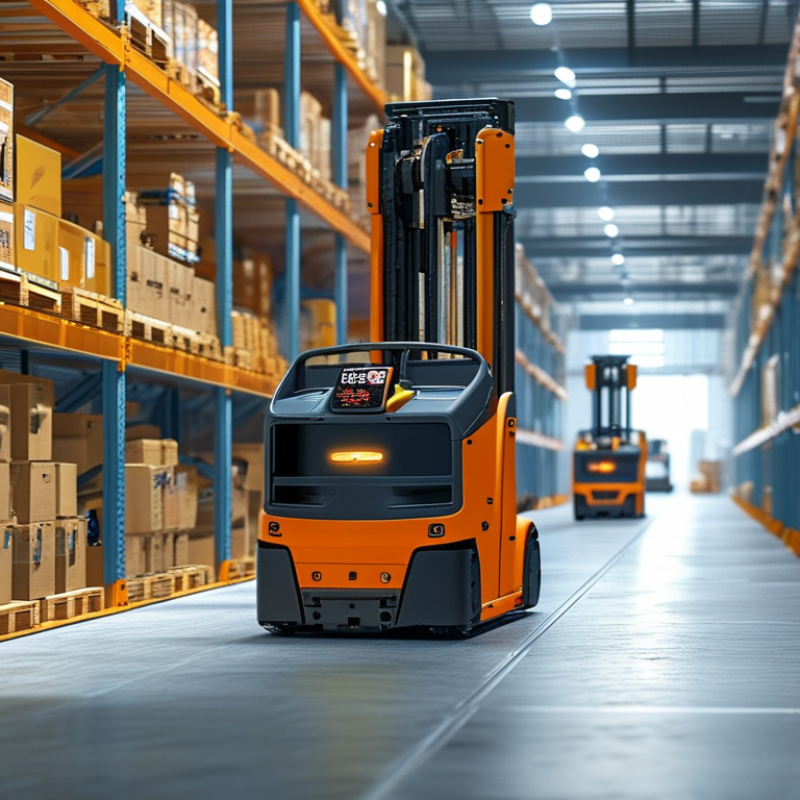
Shuttle carts are essential for various industries, aiding in the efficient transportation of goods. Understanding the types available can significantly impact operational success. Common categories include flatbed carts, enclosed carts, and utility carts. Each type serves different functions and has unique features. For instance, flatbed carts are versatile, allowing for easy loading of bulky items, while enclosed carts protect sensitive materials from external conditions.
According to recent market reports, the demand for shuttle carts is expected to grow by 5% annually. This growth emphasizes the importance of choosing the right type for your specific needs. It’s essential to consider factors like load capacity, maneuverability, and the type of surface the cart will be used on. A poorly selected cart can lead to inefficiencies and increased operational costs.
Choosing the right materials also matters. Stainless steel is durable but heavier, while plastic carts are lighter and often more affordable. Test different types in your environment before making a decision. Reflect on how easily workers can use the cart, as comfort impacts productivity.
For better organization, always maintain a clean workspace. Regular inspections of the carts ensure longevity and safety. A well-maintained cart can prevent accidents and costly repairs down the line. Investing time in selecting the right cart will yield benefits over time.
When considering shuttle carts, evaluating load capacity is crucial. Think about the weight of items you'll transport regularly. For lighter loads, a smaller cart may suffice. However, if you frequently move heavy equipment, you need a sturdier option. Assessing the weight you’ll commonly handle helps prevent unexpected failures.
Usage scenarios also play a significant role. Will your cart navigate tight spaces? If so, compact designs are essential. Alternatively, if you transport items over long distances, wheels and maneuverability are key. Reflect on how often you will use the cart and in what environments. This will guide your choice.
Remember, not every cart suits every purpose. Mistakes can happen if features are overlooked. For instance, a cart designed for indoor use may struggle outdoors. Take the time to think through these details. Balancing between load capacity and practical use scenarios ensures a more satisfying purchase. Don't rush the decision.
Assessing Your Requirements: Load Capacity and Usage Scenarios
When choosing shuttle carts, materials and durability are critical factors. The construction of a cart significantly impacts its lifespan and usability. For instance, steel carts offer strength but may rust over time. Aluminum, while lighter, can bend under heavy loads. Consider composite materials as a potential alternative, balancing lightweight properties with resistance to wear and tear.
Assessing your specific needs is essential. Will the cart face heavy usage, or will it serve lighter tasks? If durability is paramount, look for materials that resist harsh conditions. Look for options with protective coatings for added longevity. Reflect on the environment where the cart will mainly be used. Exposure to moisture or chemicals can influence your choice.
Understanding how each material performs under pressure can guide your decision. It’s easy to overlook these details in the selection process. Regular maintenance also plays a role in longevity. Small cracks or rust spots should not be ignored. Ensuring the right choice can save costs in the long run and enhance efficiency in your operations.
Choosing the right shuttle cart involves carefully considering features and accessories. A cart may have basic storage, but additional functionality can significantly enhance its value. Wheel quality is essential; larger, sturdy wheels facilitate movement over uneven terrain. Some carts even offer swivel-locking wheels for better control in tight spaces.
Accessories such as removable bins can improve organization. These bins make loading and unloading easy. Other useful features include foldable designs that save space when not in use. A cart with a built-in handle is more ergonomic for frequent maneuvers. Consider options that offer height variations to accommodate different tasks and users.
Even with these enhancements, limitations may arise. Some carts may not be as durable when carrying heavy loads. Users should also assess the weight capacity before making a purchase. Regular maintenance is vital; neglected carts can hinder functionality. Reflecting on the most appropriate features ensures the selected shuttle cart meets specific needs more effectively.
| Feature/Accessory | Description | Benefits | Recommended Usage |
|---|---|---|---|
| Heavy-Duty Construction | Made from robust materials for enhanced durability. | Increases lifespan and load capacity. | Industrial settings, warehouses. |
| Ergonomic Handles | Handles designed for comfort and reduced strain. | Improves user comfort during transportation. | Retail environments, hospitals. |
| Foldable Design | Can be easily collapsed for storage. | Saves space and enhances portability. | Home use, small workshops. |
| Adjustable Shelves | Shelves that can be moved to different heights. | Versatile usage for various items. | Restaurants, catering services. |
| Brake System | Wheels equipped with brakes to stop movement. | Enhances safety and control. | Sloped areas, busy environments. |
When selecting shuttle carts, budget considerations play a significant role in ensuring cost-effectiveness and value for money. A recent industry report notes that operational efficiency is key in cost management. Investing in reliable models can result in long-term savings, both in maintenance and reduced downtime. Research indicates that organizations can save up to 30% by choosing carts that are built to withstand daily wear and tear.
It's essential to analyze the total cost of ownership. This includes the initial purchase price, maintenance costs, and potential savings from increased efficiency. Not all low-cost options provide the same long-term value. A survey showed that organizations often overlook hidden costs, which can lead to unexpected budget overruns. However, some users reported satisfaction with mid-range carts, emphasizing their reliability and sturdy design over cheaper alternatives.
Evaluate your specific needs before making a decision. Many features should match your operational demands. This might mean sacrificing some aesthetic qualities for functionality. A basic cart might be suitable for light-duty applications, while those transporting heavier loads need specialized designs. Remember, a well-chosen cart not only meets current needs but also adapts to future demands, creating a good balance between upfront costs and lasting value.
: Shuttle carts aid in transporting goods efficiently across various industries.
Common types include flatbed carts, enclosed carts, and utility carts. Each serves different functions.
A poorly selected cart can lead to inefficiencies and increased operational costs.
Consider load capacity, maneuverability, and the type of surface the cart will be used on.
Materials like stainless steel offer strength, while plastic carts are lighter but often less durable.
Yes, test different types in your environment to assess ease of use and comfort for workers.
Regular inspections and maintenance prevent accidents and costly repairs, enhancing overall longevity.
Exposure to moisture or chemicals can influence the choice of materials and cart construction.
Yes, they balance lightweight properties with resistance to wear and tear.
Yes, small cracks or rust spots can be ignored, but addressing them is crucial for durability.
When selecting the right shuttle carts for your needs, it is essential to first understand their definition and the various types available. Assessing your specific requirements, such as load capacity and intended usage scenarios, is crucial to ensure that the chosen cart can meet your demands effectively. Additionally, the materials and durability of the shuttle carts play a significant role in their longevity, making it important to select options that can withstand regular use.
Furthermore, consider features and accessories that can enhance the functionality of the shuttle carts, ensuring they are suited for your tasks. Finally, budget considerations should not be overlooked; it is vital to evaluate cost-effectiveness and overall value for money to make an informed decision. By carefully weighing these factors, you can choose the right shuttle carts that will serve your needs efficiently and last for years to come.

Zhigao