Choosing among China’s top Utility Electric Cart manufacturers requires more than comparing online catalogs. A reliable supplier should demonstrate practical experience, stable production, and clear technical documentation. This guide examines manufacturers that serve farms, resorts, warehouses, factories, campuses, and municipal facilities. Their carts may carry tools, materials, waste containers, or maintenance crews across mixed terrain.
Real performance matters.
A strong evaluation begins with factory capability. Look for battery testing records, chassis welding standards, controller specifications, and documented load ratings. Ask whether the quoted payload applies on level pavement or includes slopes and uneven ground. That difference can change daily productivity. Drive tests should cover braking, turning radius, acceleration, hill climbing, and operation under full load. Photos help, but direct evidence is better.
After-sales support deserves equal attention. Confirm spare-part availability, warranty terms, charging guidance, and remote troubleshooting procedures. Experienced manufacturers usually explain battery chemistry, charging cycles, tire choices, and expected service intervals without vague promises. Export experience can also indicate stronger documentation, though it does not guarantee quality.
No supplier is perfect.
Some impressive factories may still overlook small details, such as connector protection or dashboard visibility in bright sunlight. Buyers should request samples, inspect welds, review test reports, and speak with current users when possible. Pricing alone cannot reveal long-term value. A slightly higher purchase cost may reduce downtime, battery replacement, and maintenance risk. This overview therefore focuses on verifiable capabilities, application fit, and honest limitations when identifying China’s leading Utility Electric Cart manufacturers.
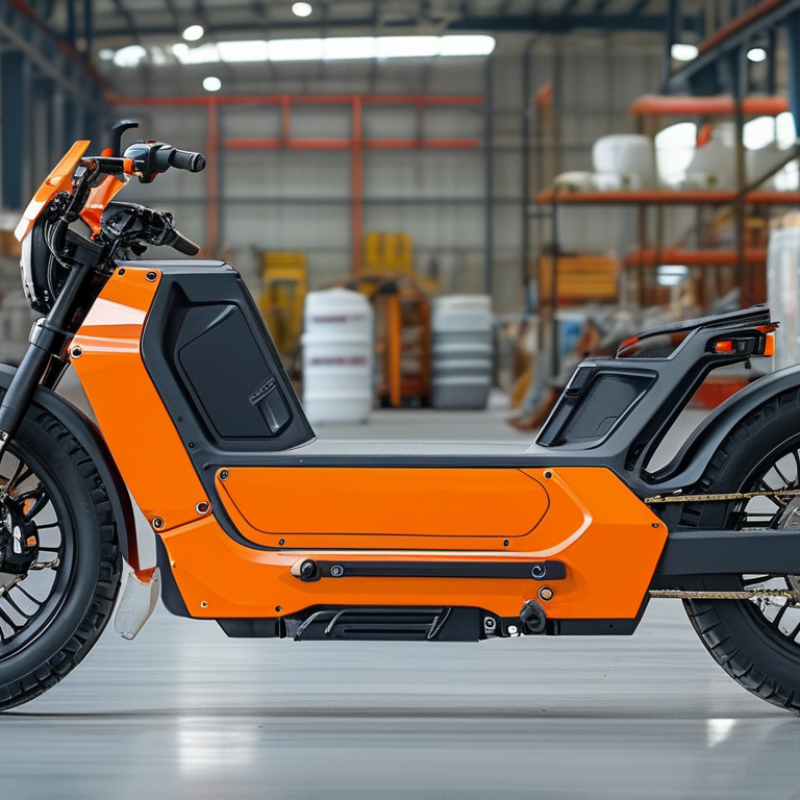
Utility electric carts are compact, battery-powered vehicles designed to move people, tools, and materials across short distances. They usually include a rear cargo bed, enclosed storage, or specialized fittings. Unlike standard passenger carts, utility models prioritize payload capacity, low-speed control, and practical access.
They are commonly used in factories, warehouses, farms, resorts, hospitals, campuses, and large maintenance areas. A grounds crew may carry soil, tools, and water tanks between distant gardens. In a warehouse, a cart can move small loads without starting a larger vehicle. Many models also support cleaning equipment, inspection work, and facility repairs. Their quiet motors help reduce workplace noise and local emissions, although battery charging still requires proper planning.
Tips: Check the rated payload, turning radius, ground clearance, and charging time before purchase. Match the cart to the surface. Smooth concrete needs different tires than wet grass or uneven paths. Ask manufacturers for test data, battery warranty terms, service records, and replacement-part availability. A low price can become expensive when batteries or controllers fail early. In practice, no cart fits every site. I have seen buying decisions focus too heavily on appearance, while brakes, visibility, and operator training receive less attention. That choice may look efficient at first, but daily use often reveals its weaknesses.
Utility electric carts are compact, low-speed vehicles used to move people, tools, and materials across controlled environments.
The chart shows representative nominal payload capacities commonly found in utility electric-cart categories: approximately 500 kg for campus and resort transport, 800 kg for municipal operations, and up to 1,000 kg for warehouse and airport service vehicles. Actual capacity depends on vehicle configuration, battery system, terrain, and local safety requirements.
China's utility electric cart industry is not a single production line. It functions as a layered network. Battery makers, motor suppliers, frame workshops, control-system engineers, assemblers, and export service teams each hold a defined role. Many factories operate in industrial clusters, where parts can arrive within hours rather than days. This proximity lowers transport costs and supports quick design changes. A small cart may combine a welded steel frame, a sealed battery, hydraulic components, and a programmable controller. The final assembler coordinates these systems, but may not manufacture every part.
Manufacturers generally serve municipal maintenance, resorts, campuses, warehouses, airports, and private work sites. Some produce standardized carts with fixed cargo beds. Others build low-volume units with tipping boxes, enclosed cabins, or special seating. Dealers and engineering contractors often translate operating needs into factory specifications. They also manage delivery, operator training, spare parts, and warranty communication. That structure matters. Overseas buyers should request test records, load ratings, component origins, and replacement procedures before placing large orders.
Quality control is shared, though not always evenly. Reliable facilities inspect welds, braking distance, charging protection, water resistance, and battery consistency before shipment. Independent testing can strengthen confidence for fleet purchases. Yet price pressure sometimes encourages rushed assembly or vague performance claims. Quality still varies. A cart working on smooth concrete differs greatly from one climbing wet ramps daily. The picture is uneven, so responsible sourcing requires verification after the first order.
China’s leading utility electric cart manufacturers are defined by engineering discipline, not low prices alone. They match payload, terrain, duty cycle, and charging access before selecting a drivetrain. A cart carrying 800 kilograms needs different gearing from a campus shuttle. Simple details matter.
Battery safety comes first. BloombergNEF’s 2024 Battery Price Survey reported an average lithium-ion pack price of 115 dollars per kWh, down 20% year over year. Strong manufacturers use this cost improvement without removing protection. They specify battery-management systems, thermal monitoring, cell traceability, and controlled charging. Clear data beats vague range claims.
Range is only one measure. Buyers should inspect braking distance, hill performance, ground clearance, turning radius, and water resistance. IP ratings, corrosion-resistant frames, and sealed connectors matter on farms and construction sites. The International Energy Agency reported that China remained the largest electric-vehicle manufacturing hub in 2023, supporting a deep component supply chain. Yet manufacturing scale does not guarantee field reliability. One weakness remains: some suppliers test on smooth factory floors, while customers operate on gravel, slopes, and standing water. Ask for load-test records, cycle-life results, spare-parts lead times, and documented compliance with the destination market’s safety requirements. Useful customization should be modular, not improvised.
When comparing Chinese utility electric cart suppliers, buyers should measure verified performance, not catalogue claims. The International Energy Agency reported that global electric car sales exceeded 14 million in 2023. This shows stronger battery demand, but utility carts require different testing. Request measured payload, range, gradeability, charging time, and motor output under working conditions. Ask for test reports with dates, temperatures, load weights, and road surfaces. A cart carrying 800 kilograms uphill is not equal to one tested without cargo.
Battery sourcing deserves careful attention. The IEA’s Global Critical Minerals Outlook 2024 noted China’s dominant role in battery material refining and cell production. That advantage can support competitive pricing, but quality still varies between suppliers. Compare battery chemistry, usable capacity, cycle-life data, thermal protection, and replacement costs. Check whether the supplier controls assembly, testing, spare parts, and technical support. ISO 9001 certification is useful evidence, yet it does not replace product inspection. Some certifications look impressive and explain little.
Tips: Build a scoring sheet before contacting factories. Give durability, service response, and total ownership cost equal weight. Request a sample vehicle and inspect welds, wiring protection, brakes, tires, and corrosion resistance. Speak with recent overseas customers when possible. Factory videos can help, but they are not proof. I would also leave a small budget for unexpected repairs, because real sites are rarely as clean as demonstrations.
Importers comparing China’s top utility electric cart manufacturers should verify standards before discussing price. ISO 9001 certification can indicate controlled production, but it does not prove vehicle safety. Request current test reports for braking, steering, electrical insulation, battery protection, and electromagnetic compatibility. For lithium systems, check UN 38.3 transport testing and relevant IEC battery standards. The exact requirement depends on the destination market and cart application.
Industry data supports careful battery evaluation. BloombergNEF reported that average lithium-ion battery pack prices fell to about USD 115 per kWh in 2024. Lower prices can improve purchasing costs, but they may also hide differences in cell quality, thermal protection, and warranty coverage. The IEA reported more than 17 million electric cars were sold globally in 2024, showing stronger electric-vehicle supply chains. Utility carts still operate differently, especially on uneven floors, ramps, and long warehouse shifts. Ask for payload tests under real working conditions.
Service quality deserves equal attention. Confirm spare-parts availability, remote diagnostics, technician training, and a written response time for failures. A reliable supplier should provide wiring diagrams, maintenance schedules, battery-care instructions, and software update procedures. Check whether the warranty covers batteries, chargers, controllers, and corrosion separately. One overlooked detail is charger compatibility. It can stop a vehicle faster than a mechanical fault. I would also request a sample inspection before shipment, including photographs of serial numbers and packing protection. No supplier is perfect. A vague service promise is a warning sign, even when the factory looks impressive.
: It is a compact, battery-powered vehicle for moving people, tools, or materials short distances. Most models include a rear cargo bed or enclosed storage. Practical transport matters more than passenger comfort.
They operate in factories, warehouses, farms, hospitals, campuses, resorts, and maintenance areas. A grounds crew might carry soil, tools, and water tanks between gardens. Quiet work helps.
Payload capacity varies by design, drivetrain, tires, and braking system. Check the rated payload before loading equipment. An 800-kilogram load needs suitable gearing and structural support.
Smooth concrete, wet grass, gravel, and uneven paths require different tires and ground clearance. Inspect turning radius and traction for narrow or sloped routes. Factory testing may not reflect real terrain.
Look for battery-management systems, thermal monitoring, cell traceability, and controlled charging. Ask about charging time, warranty coverage, and replacement costs. Battery failure can make a cheap purchase expensive.
No. Range is only one performance measure. Also examine braking distance, hill performance, water resistance, and loaded handling. Long range means little if braking feels weak.
Request load-test records, cycle-life results, service records, and spare-part lead times. Ask for documented safety compliance for the destination market. Clear test data beats vague promises.
Strong manufacturers match payload, terrain, duty cycle, and charging access before selecting components. They use modular customization instead of improvised modifications. Manufacturing scale helps, but it does not guarantee field reliability.
Operators should receive training on loading, visibility, braking, turning, and surface conditions. Inspect brakes and connectors before regular work. Appearance should not lead the decision.
This guide explains what a Utility Electric Cart is, how it supports material handling, campus transport, facility maintenance, agriculture, hospitality, and other low-speed operations, and why it has become an important product category in China. It outlines how China’s manufacturing industry is organized, from component suppliers and specialized assembly factories to exporters offering customized configurations, different load capacities, battery systems, and vehicle layouts.
Readers will also learn how to identify leading manufacturers by examining product design, manufacturing consistency, testing procedures, production capacity, customization support, and after-sales communication. To compare Chinese suppliers effectively, buyers should evaluate technical specifications, total ownership costs, delivery capabilities, spare-parts availability, and quality-control documentation rather than relying only on price. Before purchasing, importers should confirm applicable safety standards, electrical requirements, charging compatibility, labeling, user manuals, inspection records, warranty terms, and service arrangements to ensure the selected Utility Electric Cart is suitable for its intended market and operating environment.

Zhigao