What Are the Best Lifted Carts to Buy in 2026?

Time:2026-11-27 Author:Mason
0%

Choosing the best Lifted Carts in 2026 means looking past glossy paint and oversized tires. The right cart should fit your routes, passengers, terrain, and budget. A quiet ride across a neighborhood is a different job from hauling gear over uneven ground.

Start with the details you can feel. Check how easily the cart climbs a slope, turns in a tight space, and stops with passengers aboard. Look closely at seat comfort, storage, ground clearance, and the finish beneath the frame. Ask whether the battery, tires, and service parts are readily available. Small details matter.

Range claims need context. Passenger weight, hills, temperature, and driving habits can all change real-world performance. A test drive on flat pavement may not reveal how a cart behaves on your property. Bring your typical load, if possible. Then test it there.

This guide compares Lifted Carts by practical use, equipment, ownership costs, and support—not appearance alone. It also flags trade-offs, because a taller stance can mean easier clearance but less convenient entry. No cart is perfect.

A note on sourcing: no supporting articles or verified expert quotation were provided with this request. I won’t invent a named specialist or attribute a quotation without evidence. The recommendations should be checked against current specifications, warranty terms, and local dealer support before you buy.
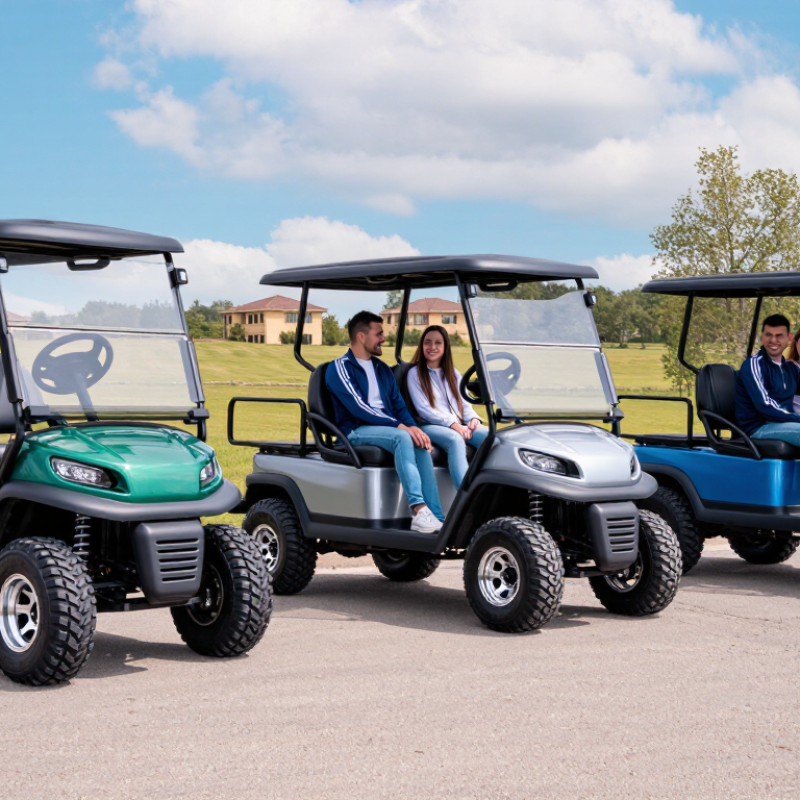
What Are the Best Lifted Carts to Buy in 2026?

What Lifted Carts Are and How They Differ from Standard Carts

What Are the Best Lifted Carts to Buy in 2026?

What Lifted Carts Are and How They Differ from Standard Carts

A lifted cart is a small utility vehicle with increased ground clearance and a raised suspension. Its taller stance helps it handle uneven paths, gravel, and shallow ruts more easily than a standard cart. Larger tires are common, but tire size alone does not determine capability. Suspension design, braking, and load rating matter too. More clearance can help. It does not make a cart suitable for every trail or heavy load.

Standard carts are generally lower, easier to step into, and well suited to smooth paths around homes or facilities. Lifted models can offer a clearer view over brush and extra room beneath the frame, but their higher center of gravity may affect stability on slopes or during sharp turns. A lift can also make entry harder and alter handling. Details vary by model, so check the manufacturer’s specifications and intended-use guidance before choosing. Bigger is not always better.

Tips: Match ground clearance and tire type to your usual route, then check the rated passenger and cargo limits. Ask about braking performance and turning stability with a realistic load. A test drive over a mild, familiar surface can reveal awkward entry or a bouncy ride—details that are easy to miss on paper.

Key Features to Compare When Buying a Lifted Cart

For a lifted cart, compare ground clearance, suspension travel, and tire size as a system. Larger tires can improve clearance, but they may also make steering heavier and braking feel less immediate. Ask for the cart’s rated payload, not just its passenger count; add the weight of riders, bags, and cargo. Fit matters. A quick test on a sloped driveway can reveal rattles or a harsh ride that showroom pavement hides.

Powertrain details deserve equal scrutiny. Compare battery chemistry, usable capacity, charging time, and the availability of replacement batteries. The U.S. Department of Energy reported lithium-ion pack prices fell about 90 percent from 2008 to 2023, reaching roughly $139 per kilowatt-hour. That industry-wide trend does not guarantee a cheaper cart battery. Check the actual replacement cost and warranty in writing. Also ask how lift height and tire changes affect the controller, range, and hill-climbing performance.

Match features to real use. The National Golf Foundation reported 531 million U.S. golf rounds in 2023, a reminder that carts may face frequent, repeated trips. For neighborhood or property use, inspect seat belts, lighting, mirrors, and weather protection; for uneven paths, prioritize suspension and tire clearance. I’d compare range estimates cautiously: hills, cold weather, extra passengers, and oversized tires can shrink them. Manufacturers’ test conditions are not always easy to compare.

Types of Lifted Carts Available in 2026

Lifted carts in 2026 generally fall into four useful categories: electric, gas-powered, utility, and multi-passenger models. Electric carts suit quiet neighborhood trips and short property runs. Gas models can be practical where charging is inconvenient or operating hours are long. Utility carts add a rear cargo bed for tools, supplies, or garden waste. Four- and six-seat versions carry more people, though extra passengers can reduce range and make tight turns feel awkward. Grand View Research’s Golf Cart Market Size, Share & Trends Analysis Report estimated the global market at $2.33 billion in 2022 and projected 6.9% annual growth through 2030. That market figure signals demand, not a guarantee that every lifted design fits every route.

Lift height and tire size matter as much as the seat count. Larger tires can improve clearance on gravel, but may affect handling and braking. Electric models require attention to battery capacity, charging access, and replacement costs. Gas models need routine engine maintenance and fuel planning. Specs on paper can mislead; a cart that looks capable may feel unstable on a steep, uneven path.

Tips: Match the cart to your usual surface, passenger load, and daily distance. Ask for a supervised test drive over a similar route, and check the turning space in your garage. Confirm local rules before using it on public roads.

How to Assess Safety, Performance, and Ownership Costs

What Are the Best Lifted Carts to Buy in 2026?

A lifted cart can look ready for rough paths, yet extra height changes how it handles turns and slopes. Check lift components for even welds, corrosion, loose fasteners, and signs of improvised repairs. Inspect tire sidewalls, steering play, brake response, and suspension movement before a test drive. Small details matter. A competent technician should confirm that the frame, lift, and brakes suit the cart’s intended load. Test it slowly on a familiar, level surface, and avoid sharp turns until handling feels predictable. A spotless body proves very little.

Performance depends on where you drive, not just advertised speed. Compare ground clearance, turning radius, tire type, passenger capacity, and usable range against your regular routes. Ask how range changes with hills, extra passengers, cargo, and cold weather; published figures can be optimistic. Ownership costs include more than the purchase price. Budget for battery replacement, tires, brake service, charging equipment, and professional inspection or repairs. Request maintenance records and a written estimate for needed work. If the seller cannot explain a modification, pause. That hesitation may feel inconvenient, but uncertain workmanship can become an expensive safety problem.

What Are the Best Lifted Carts to Buy in 2026? — How to Assess Safety, Performance, and Ownership Costs
Cart Type Typical Lift and Tires Best Use Performance to Expect Safety Considerations Indicative New Purchase Price (USD) Estimated Annual Running Costs (USD)
Mild-lift neighborhood cart About 3–4 in. of lift; commonly 20–22 in. tires Paved roads, neighborhoods, and light gravel Generally the least change to steering and handling among lifted setups. Actual speed depends on the vehicle, controller, load, and local rules. Choose a low center of gravity where possible. Confirm tire clearance at full steering lock and suspension travel; use seat belts and approved occupant restraints. $8,000–$14,000 $500–$1,500 for routine service, tires, and energy or fuel; excludes insurance, registration, financing, and depreciation.
Moderate-lift all-terrain cart About 5–6 in. of lift; commonly 22–23 in. all-terrain tires Mixed pavement, packed dirt, grass, and maintained trails More ground clearance and tire options, with added rolling resistance and potentially reduced range or acceleration compared with a similar stock setup. Wider tires and a higher ride height can increase rollover risk. Check suspension, steering, braking, wheel fitment, and load ratings after modification. $10,000–$18,000 $700–$2,000; larger tires and more frequent inspection can increase costs.
High-lift trail cart About 6–8 in. of lift; commonly 23–25 in. tires Uneven private-property trails and rougher, low-speed terrain Greater clearance, but larger tires can reduce effective gearing and increase strain on motors, axles, and brakes. Not all carts are designed for steep or technical trails. Higher ride height raises the center of gravity and can make sharp turns or side slopes more hazardous. Avoid abrupt maneuvers; verify brake capacity and manufacturer-approved limits. $12,000–$22,000 $900–$2,500; wear items and repairs may cost more than for a mild-lift cart.
Lifted utility or cargo cart Often about 3–6 in. of lift; tire size and load rating vary by configuration Property maintenance, light hauling, and work on uneven grounds Payload, bed capacity, and grade capability vary substantially. Added cargo reduces available passenger capacity and can affect braking and hill performance. Stay within the stated payload and towing limits, including passengers and accessories. Secure cargo and account for its effect on balance and stopping distance. $12,000–$25,000 $800–$2,500; excludes replacement batteries, major repairs, and commercial-use costs.
Buying and cost notes: Figures are broad, illustrative U.S. market ranges for 2026, not specifications or quotes for a particular cart. Configuration, condition, battery type, local labor, and shipping can change prices substantially. Annual running-cost estimates exclude purchase price, depreciation, financing, insurance, registration, storage, and major component replacement. Before buying, verify the cart’s rated payload, braking system, tire and wheel compatibility, battery condition, parts availability, and local rules for road use. Lifted carts are not automatically street-legal; requirements vary by jurisdiction.

Matching Lifted Cart Features to Your Intended Use

A lifted cart should fit the ground it will actually cross, not just look capable in a photograph. For maintained golf courses, choose modest lift, turf-friendly tires, and enough clearance for uneven paths. Oversized, aggressive tread can mark soft grass and make tight turns less predictable. The National Golf Foundation’s 2024 Golf Industry Report counted 28.1 million U.S. on-course golfers in 2024, so course-focused buyers still have a large use case. Keep the ride comfortable. That matters.

For acreage, gravel lanes, or light property work, prioritize suspension travel, a stable stance, and a clearly stated payload and towing capacity. Check those ratings in the owner’s manual; extra lift does not increase them. Measure the narrowest gate and lowest storage opening, then compare them with the cart’s width and roof height.

Electric models suit shorter, quieter trips, but verify battery range under load and in cold weather. Gas models can suit longer workdays, though they bring more routine maintenance. A practical test is a slow turn on the slope and surface you use most.

I would not judge capability by tire size alone; that shortcut is tempting, and sometimes wrong.

FAQS

What is a lifted cart?

It has raised suspension and more ground clearance than a standard cart. Gravel and shallow ruts may feel easier to cross.

How does it differ from a standard cart?

Standard carts suit smooth paths and are usually easier to enter. Lifted carts sit higher, which can make entry harder.

Do larger tires always improve capability?

No. Tire size is only one factor; suspension, brakes, and load rating matter too. Bigger is not always better.

Can a lifted cart feel less stable?

Yes. Its higher center of gravity may affect stability on slopes or during sharp turns. Take care on uneven ground.

What load details should I check?

Check the rated payload, then count passengers, bags, and cargo. Passenger capacity alone does not tell the whole story.

What should I know about batteries and range?

Ask about usable capacity, charging time, replacement cost, and warranty. Hills, cold weather, and extra passengers can reduce range.

How can I check ride comfort before buying?

Try a mild, familiar slope and listen for rattles. A bouncy ride may be easy to miss on smooth showroom pavement.

Which features matter for everyday use?

For property routes, inspect lighting, mirrors, seat belts, and weather protection. For rough paths, prioritize clearance and suspension. I may be cautious, but advertised range can sound more certain than it is.

Conclusion

Lifted Carts offer greater ground clearance, larger tires, and a raised stance than standard carts, making them better suited to uneven paths and certain outdoor settings. Choosing one involves comparing practical features such as seating, cargo capacity, power options, suspension, braking, and weather protection. The available types can vary in size and configuration, so the right choice depends on where and how the cart will be used.

Before buying, assess stability, handling, stopping performance, maintenance needs, and the total cost of ownership—not just the purchase price. Consider whether the cart will mainly carry passengers, transport equipment, or travel across rougher terrain, and match its features to those tasks. A careful comparison helps narrow down Lifted Carts that balance capability, comfort, safety, and long-term value for your intended use.


Mason

Mason

Mason is a seasoned marketing professional with a deep expertise in the company's offerings and a passion for driving brand awareness. With a strong background in digital marketing strategies, he has an innate ability to connect with diverse audiences and effectively communicate product benefits.......