Choosing the best Golf Trike to buy in 2026 depends less on flashy features than on how you actually play. A compact model may suit a paved course with tight storage, while rough paths can call for larger tires and a stable frame. The right choice should feel manageable from the first turn to the final hole.
Compare practical details before comparing price tags. Check the manufacturer’s stated battery range, charging time, weight limit, braking system, and warranty. Then consider whether the seat, handlebar position, and controls feel comfortable for your height and reach. If possible, arrange a test ride. A short ride can reveal awkward steering or difficult mounting that a product page may not show.
There is no perfect pick. A longer range may mean extra weight, and added storage can make a trike harder to transport. Range figures also depend on hills, rider weight, weather, and riding speed, so treat them as estimates rather than promises. Small details matter.
This guide will compare Golf Trike options using usability, comfort, stability, battery performance, portability, and service support. It will also explain which features may be worth paying for—and which could be unnecessary for your course routine. I would not choose from specifications alone. Check current model details with the seller, since equipment and availability can change during 2026. The best buy is the one that fits your course, budget, and storage space without making ordinary rounds more complicated.
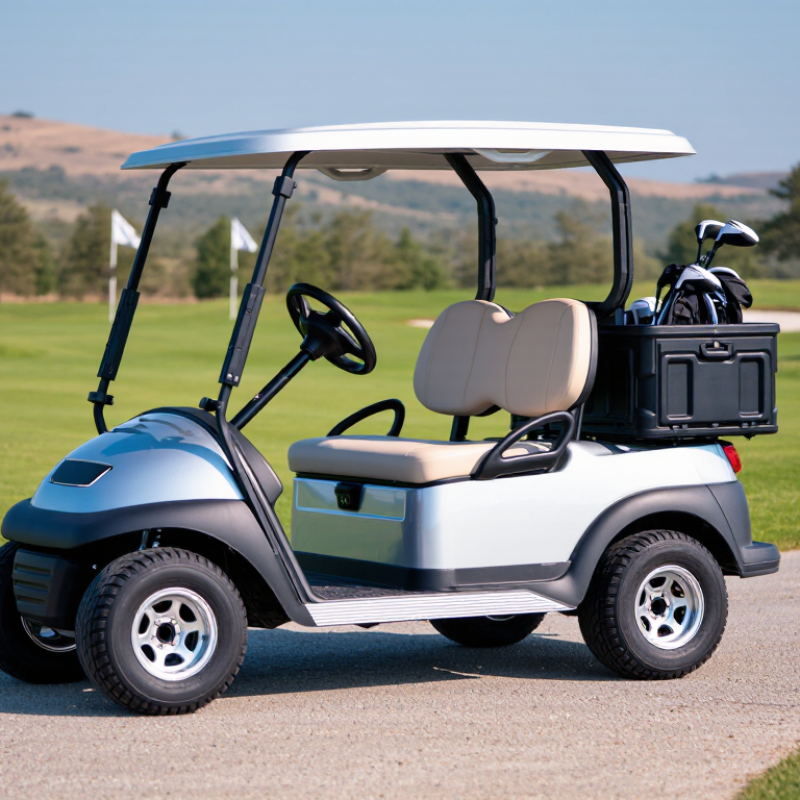
A golf trike is a three-wheeled ride-on vehicle designed to carry a golfer and golf bag around a course. Unlike a push cart, it provides a seat and may use pedal or electric power. Three-wheel layouts handle differently. A delta design has one front wheel and two rear wheels; its broad rear stance can feel steady when parked, but tight turns may take more room. A tadpole design has two front wheels and one rear wheel. Its paired front wheels can give a planted feel while turning, though the steering may seem unfamiliar. Neither layout guarantees stability on slopes or wet grass. Real course conditions matter.
Demand for on-course golf remains substantial: the National Golf Foundation reported 26.6 million U.S. on-course golfers in 2023, in its 2024 participation reporting. That figure does not prove trikes suit every course; access rules and path conditions vary. A trike may feel reassuring, but confidence alone is not a safety test. Check turning radius, braking, bag clearance, and how easily you can mount and dismount. Small details count.
Tips: Test the trike on a gentle slope and a tight turn before buying. Check tire grip, battery range if powered, and whether your course permits ride-on vehicles. Bring your actual bag; balance can change noticeably with a full set.
About 28.1 million people played golf on U.S. courses in 2024. The broader golf audience reached 47.2 million, including off-course participants. These figures show reach, not trike demand.
Choose one your course permits and your body can use comfortably. Check seat support, turning radius, brakes, and foot position. Comfort matters.
Yes. Ask the pro shop about personal vehicles, tire requirements, and access after rain. Rules vary. Confirm before spending money.
Try it on grass and, if possible, a slope like your usual cart path. Check turns, narrow bridges, and soft ground. A flat lot tells you less.
Treat it as a starting point. Hills, temperature, frequent stops, and load can reduce range. Look for owner reports from similar terrain.
Add batteries, charger replacement, maintenance, storage, and delivery fees. Also check whether replacement parts are easy to obtain.
Look for repeated reports about range, stability, and repair response times. One complaint may be unusual. A repeated pattern deserves attention.
Request written warranty terms and a list of replaceable parts. Ask who handles repairs. Check garage fit and seat adjustments, too. I might overlook those details until a full round.
Choosing the best Golf Trike for 2026 starts with understanding how three-wheel designs differ in stability, steering, folding, and maneuverability. Interest in these vehicles can be viewed against the National Golf Foundation’s reported 28.1 million U.S. on-course golfers in 2024. Before comparing models, consider how much storage you need: the USGA permits a maximum of 14 clubs in a player’s bag, but extra space may be useful for balls, clothing, and other essentials.
Compare 2026 options using their rated range and payload, braking systems, and warranty coverage, while treating published specifications as a starting point rather than a guarantee of real-world performance. Check that the course allows motorized trikes, and consider slopes, paths, weather, and carrying needs. Finally, weigh the total cost—including accessories, charging, and upkeep—against verified owner feedback and the availability of dependable support. The right choice is the trike that fits your course, equipment, budget, and comfort.

 Zhigao