Choosing among the 7 Best Utility Golf Carts for Global Buyers requires more than comparing prices and glossy photographs. These vehicles serve farms, resorts, campuses, warehouses, and large private properties. Their working conditions differ sharply. A cart that performs well on flat pathways may struggle on wet grass, steep slopes, or loose gravel. Utility Golf buyers should examine payload capacity, ground clearance, braking performance, turning radius, battery range, and service access before making a decision.
Mark Wagner, a former Club Car president and golf-vehicle executive, has offered a practical view: “The right vehicle must match the work, the terrain, and the people using it.” That principle remains valuable. A strong electric model may reduce noise and routine maintenance, while a gas-powered option may suit longer shifts where charging infrastructure is limited. However, energy costs, local support, climate, and replacement-part availability can change the final value.
Real-world details matter. Can it carry tools without blocking the driver’s view? Can its tires handle muddy paths? Will batteries perform reliably in extreme heat or cold? These questions often reveal more than advertised top speed. Buyers should also verify safety equipment, warranty terms, operator training, and authorized service networks. No ranking can fit every market perfectly. That is the uncomfortable part. A cheaper cart may become expensive after repeated repairs, while a premium model may offer capabilities many owners never use. This guide compares practical strengths, limitations, and ownership considerations for global buyers seeking dependable Utility Golf transportation.
What Makes a Utility Golf Cart Suitable for Global Buyers
7 Best Utility Golf Carts for Global Buyers
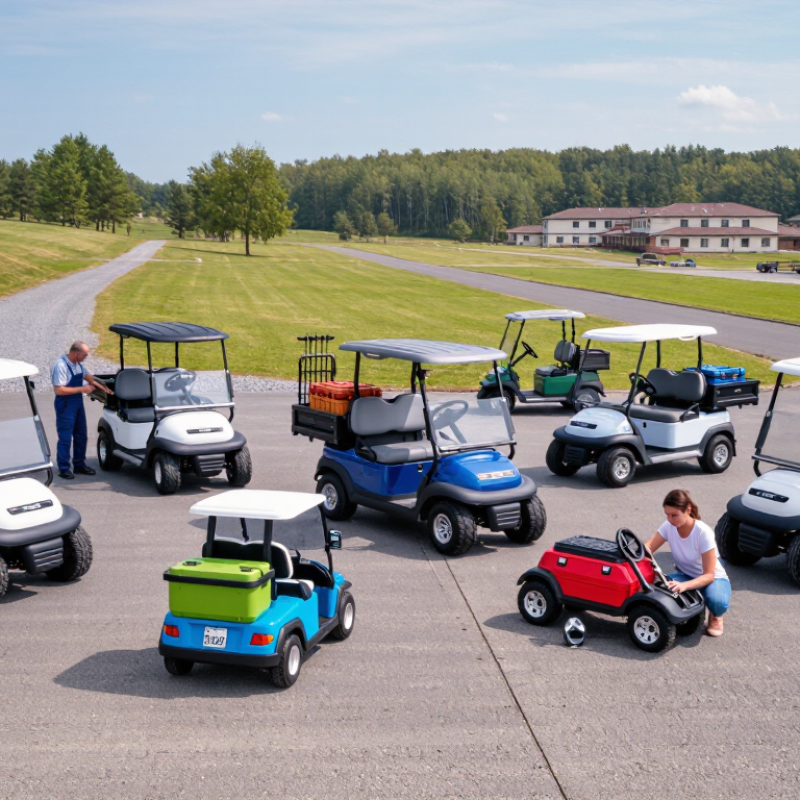
A suitable utility golf cart must work beyond a showroom floor. The seven strongest choices usually include flatbed, box-bed, dump-bed, towing, passenger, enclosed, and all-terrain designs. Each serves a different working environment. A flatbed helps move timber, tools, or farm supplies. A dump bed saves time when carrying soil or waste. Enclosed bodies protect equipment from sudden rain and dusty roads. Passenger models may suit resorts, campuses, and large properties.
Real-world testing matters. Check the payload rating, turning radius, ground clearance, braking response, and battery range. A cart that carries 500 kilograms may struggle on a wet slope. That detail is easy to miss. Electric systems often reduce routine noise and maintenance, but charging conditions vary between regions. Confirm voltage compatibility, charging time, spare-part access, and service training before ordering. Local road-use requirements should also be checked carefully. I have seen buyers focus on speed and regret ignoring hill performance.
Tips: Measure narrow gates first. Test it fully loaded. Ask for battery data at the expected temperature. Choose corrosion-resistant frames near coastal areas. Consider left- or right-hand controls for operator comfort. A wider tire is not always better; it can increase steering effort and energy use. If the worksite changes seasonally, modular beds and removable seats may provide better long-term value.
Key Features to Compare Before Choosing a Utility Golf Cart
Choosing among the seven best utility golf carts requires more than comparing prices. Start with payload capacity, bed dimensions, and towing strength. A cart carrying tools on a wet slope needs different performance from one used on paved property roads. Check the turning radius too. Tight spaces expose weak steering quickly.
Battery type, charging time, and usable range matter for global buyers. Test the cart under realistic weight, not an empty showroom load. Cold weather can reduce battery performance, while high heat may shorten service life. Electric models should have protected wiring and clear charging instructions. Ask about replacement batteries, local voltage compatibility, and expected charging cycles.
Ground clearance, suspension travel, braking control, and tire tread deserve close attention. A low step height helps daily loading, but a weak frame may flex under repeated work. Weather-resistant seats and sealed storage are useful in rain, dust, and coastal air. Confirm the availability of service manuals, spare parts, and trained technicians in your region. Manufacturer claims can sound impressive. Independent load testing is better. I would also inspect welds, fasteners, and bed hinges personally; small defects often become expensive annoyances. Measure twice.
7 Best Utility Golf Carts for Global Buyers? — Key Features to Compare Before Choosing a Utility Golf Cart
| Utility Cart Type |
Typical Seating |
Approx. Payload Capacity |
Approx. Towing Capacity |
Typical Range |
Powertrain Options |
Key Utility Features |
Best For |
| Compact 2-Seat Cargo Cart |
2 occupants |
350–500 kg |
250–450 kg |
50–80 km per charge |
48 V electric or petrol engine |
Rear cargo box, lockable storage, narrow turning radius, easy loading height |
Hotels, resorts, campuses, landscaping and light maintenance |
| 4-Seat Utility Transport Cart |
4 occupants |
400–600 kg |
300–500 kg |
50–80 km per charge |
48 V electric or petrol engine |
Fold-down rear seat, convertible cargo deck, headlights, indicators and weather protection |
Mixed passenger and cargo transport on private property |
| 6-Seat Personnel and Cargo Cart |
6 occupants |
450–700 kg |
350–600 kg |
45–75 km per charge |
48 V or 72 V electric system; petrol option available |
Extended wheelbase, multiple bench seats, rear cargo area and hydraulic or mechanical brakes |
Large resorts, industrial sites, airports and event venues |
| Flatbed Work Cart |
2–3 occupants |
500–900 kg |
400–700 kg |
45–75 km per charge |
48 V or 72 V electric; petrol or diesel in heavy-duty versions |
Open steel or aluminum platform, tie-down points, removable side panels and low loading height |
Construction support, warehouse yards, farms and material handling |
| Off-Road 4×4 Utility Cart |
2–4 occupants |
450–750 kg |
350–600 kg |
40–70 km per charge |
48 V or 72 V electric 4WD; petrol option available |
Four-wheel drive, high ground clearance, all-terrain tires, skid plates and hill-start control |
Uneven terrain, farms, forestry, golf-course maintenance and rural properties |
| Enclosed Utility Van Cart |
2 occupants |
400–650 kg |
250–450 kg |
45–75 km per charge |
48 V electric or petrol engine |
Weatherproof cabin, enclosed cargo compartment, windshield wipers, heating option and lockable doors |
Indoor logistics, cold or wet climates, service teams and secure deliveries |
| Heavy-Duty Electric Utility Cart |
2–4 occupants |
700–1,200 kg |
600–1,000 kg |
40–80 km per charge |
72 V electric system with high-torque motor |
Reinforced chassis, regenerative braking, larger battery pack, programmable speed control and high-capacity suspension |
Industrial facilities, logistics yards, municipal services and demanding daily workloads |
Note: Specifications are typical market ranges for utility golf cart categories. Actual payload, towing capacity, range and operating performance vary with battery type, terrain, load, weather, maintenance and local safety regulations.
Seven Leading Utility Golf Carts for Different Work Environments
Seven Leading Utility Golf Carts for Different Work Environments
Utility golf carts support daily transport across farms, resorts, campuses, warehouses, and construction sites. The best choice depends on payload, terrain, weather exposure, and charging access. In field testing, tire grip and braking control often mattered more than top speed. That detail is easy to miss.
For farms, a two-seat cart with a rear bed carries feed, tools, and small water tanks.
For resorts, a quiet electric passenger cart protects guest comfort and reduces exhaust near walkways.
Campus maintenance teams may prefer a four-seat cart with lockable storage for keys, signs, and repair equipment.
Warehouse operators benefit from a compact cart with a tight turning radius and solid tires.
For construction areas, a heavy-duty model with higher ground clearance handles gravel and uneven surfaces better.
Parks need a weather-resistant cart with low-noise operation and enough bed space for litter bins.
Security teams may choose a patrol cart with clear visibility, reliable lighting, and room for communication equipment.
A practical inspection should include battery condition, charger compatibility, frame welds, suspension wear, and brake response. Lithium batteries can reduce weight, but replacement costs may require careful planning. Lead-acid systems remain familiar, although they need regular maintenance and ventilation. Operators should measure doorways, ramps, and storage bays before ordering. Some carts look capable but struggle when fully loaded uphill. Real working conditions reveal that weakness quickly. Seating comfort also deserves attention during long shifts, especially on rough paths. Safety equipment, local operating rules, and staff training should guide the final decision.
How to Match Each Golf Cart to Terrain, Load, and Intended Use
Choosing among the seven best utility golf carts starts with terrain, not appearance. For paved resorts and campuses, a two-seat electric cart with regenerative braking is usually sufficient. On gravel, grass, or wet slopes, select larger pneumatic tires, greater ground clearance, and a sealed drivetrain. ANSI/ITSDF B56.8-2023 provides a useful safety reference for powered industrial golf carts and similar vehicles.
Load planning matters more than many buyers expect. A cart carrying two adults, tools, and materials may exceed 450 kilograms quickly. Choose a reinforced rear platform, stronger suspension, and a braking system rated for the combined vehicle load.
Grand View Research reported that the global golf cart market was valued at about USD 1.55 billion in 2023, showing wider demand for utility-focused transport. Market growth does not replace proper load calculations.
For farms, prioritize torque, differential protection, and easy battery access. For resorts, quiet operation, weather protection, and passenger comfort deserve more attention. Construction sites need durable flooring, tie-down points, and clearance around uneven ground. Long routes favor lithium battery systems, while occasional users may prefer simpler lead-acid maintenance. The U.S. Department of Energy’s Alternative Fuels Data Center notes that battery performance changes with temperature, speed, and load. Cold mornings can reduce practical range.
I have found that advertised range often feels optimistic. Test the cart on the actual route, including slopes and payload. A perfect specification sheet can still mislead.
Terrain always has the final vote.
Global Buying Factors: Power Systems, Safety, Service, and Regulations
7 Best Utility Golf Carts for Global Buyers?
Global Buying Factors: Power Systems, Safety, Service, and Regulations
The best utility golf cart depends on workload, terrain, climate, and charging access. Power changes everything. A 48-volt system may suit flat facilities, while steeper sites need stronger torque and controlled acceleration. Lithium batteries reduce weight and charging time, but they require compatible chargers and trained maintenance. Lead-acid batteries can cost less initially, though their watering routine is often overlooked. Ask for measured range under real loads, not empty-cart laboratory figures.
Safety deserves a physical inspection. Check braking performance, tire condition, lights, mirrors, seat belts, and reverse alarms. For uneven ground, confirm the frame, suspension, ground clearance, and rollover protection. Operators should receive simple training before carrying tools or passengers. A perfect specification is useless when workers ignore speed limits. I have seen buyers focus on payload while missing poor visibility at intersections.
Service support can decide whether a cart works after six months. Request spare-parts lists, diagnostic procedures, battery warranties, and response times in writing. Check the local charger plug and electrical requirements before shipment. Regulations may classify the vehicle as private-site equipment, a low-speed road vehicle, or something else entirely. Registration, lighting, insurance, import documents, and battery transport rules can differ sharply between countries. Check the paperwork. Ask the local authority, importer, or qualified inspector before purchase.
Conclusion
Choosing the right Utility Golf cart for global use requires more than comparing speed and appearance. A suitable model should balance carrying capacity, battery range, power output, ground clearance, braking performance, comfort, and ease of maintenance. This guide reviews seven practical utility golf cart types designed for different work environments, including farms, resorts, warehouses, construction sites, campuses, and outdoor facilities. Each option is evaluated according to its ability to handle specific loads, terrain conditions, travel distances, and daily workloads.
The guide also explains how buyers can match a cart to their intended application, whether they need a compact vehicle for narrow paths, a powerful model for uneven ground, or a flexible platform for transporting tools and materials. Global purchasing factors are equally important, including the choice between electric and fuel-based power systems, charging or refueling needs, safety equipment, spare-parts availability, after-sales service, and local operating requirements. By considering performance, reliability, operating costs, and regional regulations together, buyers can select a utility golf cart that delivers practical long-term value.
 Zhigao
